Introduction: The Panoramic Paradise of Kumaon
Perched at an elevation of approximately 2,480 metres (8,140 feet) in the Almora district of Uttarakhand, Binsar is one of the most tranquil and scenic hill stations in the Kumaon region. Once the summer capital of the Chand Kings, who ruled over Kumaon from the 11th to the 18th centuries AD, this serene destination is renowned for its breathtaking panoramic views of the Himalayan peaks and its rich biodiversity.
The crown jewel of Binsar is the Binsar Wildlife Sanctuary, a protected area spread over 45.59 square kilometres that serves as a haven for nature lovers, wildlife enthusiasts, and birdwatchers. Established in 1988 for the conservation of the shrinking broadleaf oak forests of the Central Himalayan region, the sanctuary is home to over 200 species of birds and a variety of endangered mammals.
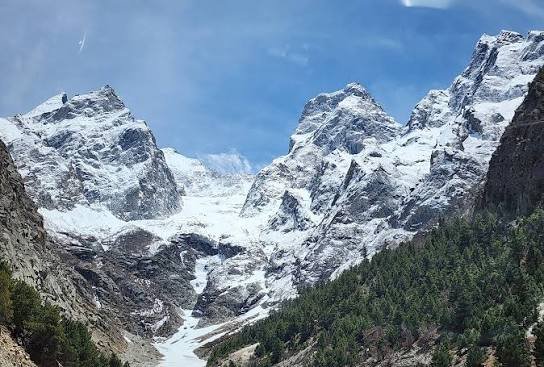
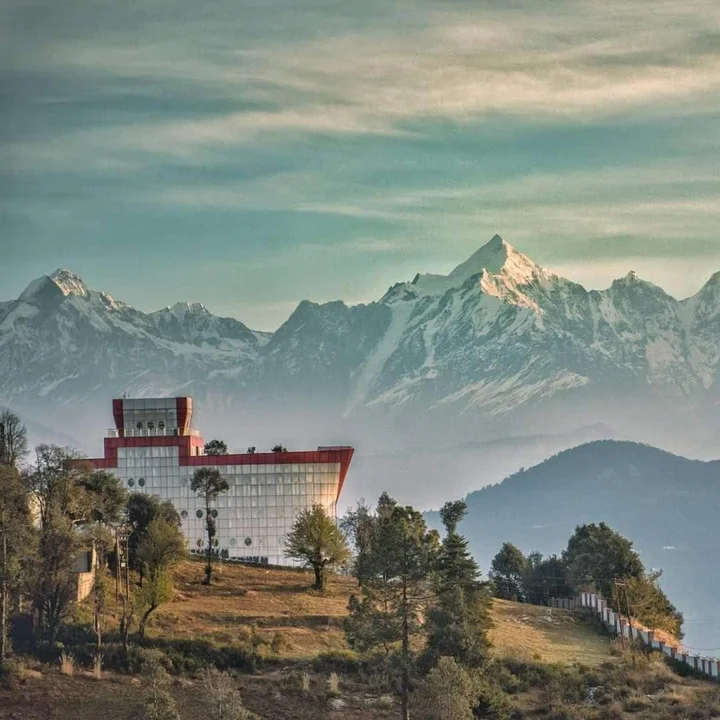
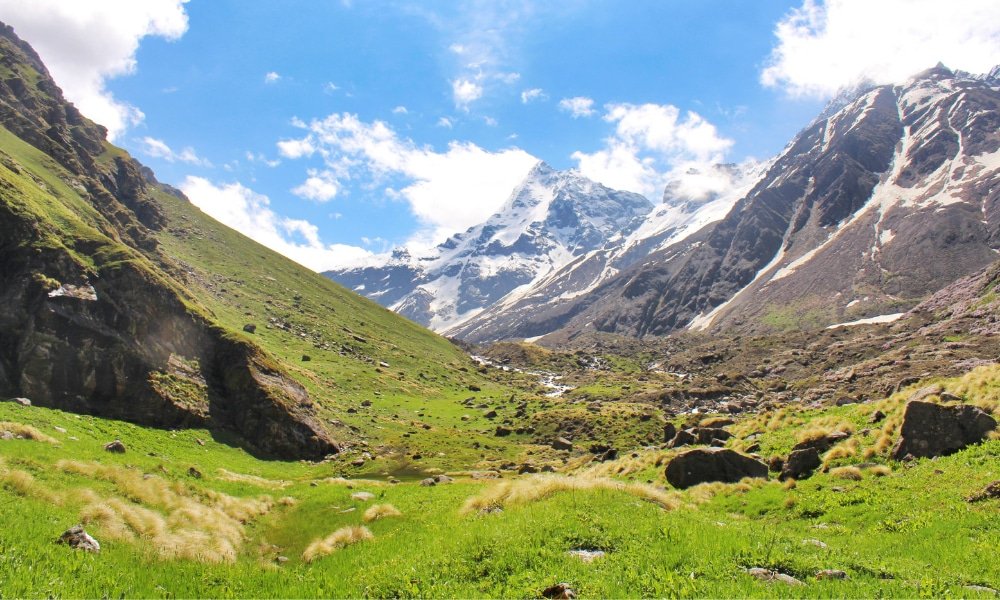
What makes Binsar truly special is Zero Point (Jhandi Dhaar)—the highest point in the sanctuary offering a spectacular 360-degree view of the Himalayas. On clear days, you can see an uninterrupted panorama of some of the most iconic peaks: Kedarnath, Chaukhamba, Shivling, Trishul, Nanda Devi, Nanda Kot, and Panchachuli.
Whether you are a wildlife enthusiast hoping to spot leopards, Himalayan black bears, and musk deer, a birdwatcher drawn to over 200 avian species, a trekker exploring the oak and rhododendron forests, or a traveller seeking a peaceful retreat away from crowded hill stations, Binsar promises an unforgettable Himalayan experience.
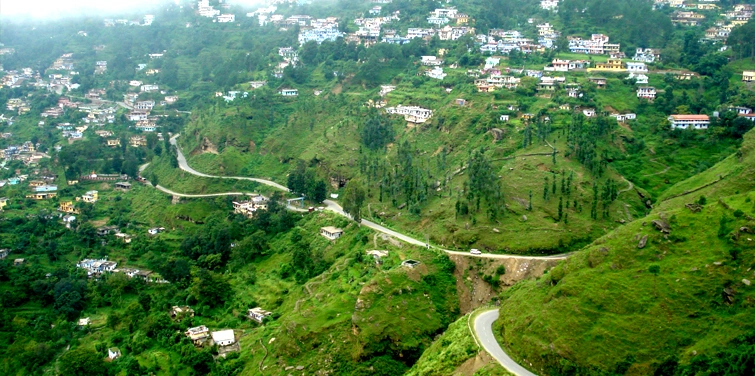
Key Information at a Glance:
History: The Summer Capital of Chand Kings
The Chand Dynasty Legacy
Binsar holds a significant place in Kumaoni history as the summer capital of the Chand Kings, who ruled over the Kumaon region from the 11th to the 18th centuries AD. The Chand dynasty was known for its patronage of art, architecture, and culture, and Binsar served as their retreat during the warmer months.
The British also recognised the strategic and aesthetic value of Binsar, using it as a summer capital and building several estates inside the forest. The legacy of this colonial era is still visible in the heritage properties scattered around the area.
The Establishment of the Sanctuary (1988)
In 1988, Binsar was officially established as a wildlife sanctuary with a primary mission: the conservation and protection of the shrinking broadleaf oak (Quercus) forests of the Central Himalayan region. The sanctuary was created to safeguard the rich biodiversity of the area, which was under threat from deforestation and human encroachment.
The Khali Estate and Its Famous Residents
The Khali estate was once owned by Sir Henry Ramsay, who was the Commissioner of Kumaun from 1856 to 1884 and was called by British authors the “King of Kumaun”. He built a bungalow at Binsar that later became a part of this historic estate.
Vijay Laxmi Pandit, the sister of Jawaharlal Nehru, also lived at the Khali estate. Other prominent figures who have been guests or owners of this estate include Pt. Jawaharlal Nehru, Indira Gandhi, and Mahatma Gandhi.
The Mary Budden Estate
The Mary Budden estate, located at 8,000 feet, is a restored colonial home that now operates as a heritage hotel. The property includes a temple dedicated to Lord Shiva and offers a glimpse into the colonial-era lifestyle in the Kumaon hills.
Geography and Location
Geographic Setting
Binsar lies on top of the Jhandi Dhar hills in the Himalayas, approximately 30 km north of Almora town in Uttarakhand. The sanctuary spreads over 45.59 square kilometres, with its altitude varying from 900 to 2,500 metres. The average height is approximately 2,412 metres.
Topography
The sanctuary is characterised by a series of ridges and gorges, creating a diverse and dramatic landscape. The terrain includes:
| Feature | Description |
|---|---|
| Ridges | Jhandi Dhar hills form the backbone of the sanctuary |
| Gorges | Deep valleys carved by mountain streams |
| Forest Cover | Dense oak, rhododendron, and chir pine forests |
| Highest Point | Zero Point (Jhandi Dhaar) |
Zero Point (Jhandi Dhaar) – The Crown Jewel
Zero Point, also known as Jhandi Dhaar, is the highest point in the Binsar Wildlife Sanctuary and the primary reason most visitors come here. From this vantage point, you can witness a 360-degree panoramic view of the Himalayan range.
Peaks Visible from Zero Point:
| Peak | Height | Direction |
|---|---|---|
| Nanda Devi | 7,816 m | East |
| Trishul | 7,120 m | East |
| Panchachuli | 6,904 m | East |
| Nanda Kot | 6,861 m | East |
| Chaukhamba | 7,138 m | North |
| Kedarnath | 6,940 m | North |
| Shivling | 6,543 m | North |
The view is particularly spectacular during sunrise and sunset, when the snow-capped peaks are bathed in golden and crimson light.
Flora: The Green Heritage of Binsar
Forest Types
The Binsar Wildlife Sanctuary boasts a diverse range of vegetation due to its varying altitudes. The higher altitudes are covered with oak and rhododendron trees, while the lower elevations feature chir pine forests.
| Elevation Zone | Vegetation Type | Dominant Species |
|---|---|---|
| Higher Altitudes | Temperate forests | Oak, Rhododendron |
| Lower Altitudes | Subtropical forests | Chir Pine |
Plant Diversity
The sanctuary is home to a rich variety of plant species:
The Rhododendron Spectacle
In March and April, the rhododendron forests come alive with vibrant ruby-red blooms, transforming the hillsides into a spectacular canvas of colour. This is one of the best times for photography and nature walks.
The Oak Forests
The broadleaf oak forests (Quercus species) are the primary conservation focus of the sanctuary. These ancient trees create a dense canopy that provides habitat for a wide range of wildlife and helps maintain the ecological balance of the region.
Fauna: The Wildlife of Binsar
Mammals
Binsar Wildlife Sanctuary is home to a variety of mammals, including several rare and endangered species.
Note: The sanctuary is also home to Indian red fox, jackals, and porcupines.
Birds: A Birder’s Paradise
Binsar Wildlife Sanctuary has been declared an Important Bird Area (IBA) by BirdLife International due to its incredible avian diversity. Over 200 species of birds have been recorded here.
Notable Bird Species:
| Species | Description |
|---|---|
| Himalayan Monal | State bird of Uttarakhand; iridescent plumage |
| Forktail | Found near streams |
| Nuthatches | Small songbirds |
| Blackbirds | Common in forested areas |
| Parakeets | Brightly coloured, often seen in flocks |
| Eagles | Various species, including golden eagle |
| Woodpeckers | Multiple species |
| Barbets | Colourful fruit-eaters |
Reptiles and Butterflies
Binsar is also home to many species of reptiles and butterflies, adding to its biodiversity. The sanctuary’s insect life is particularly rich during the summer months.
Binsar Museum
The sanctuary has a museum dedicated to the flora and fauna of the region, making it an educational stop for visitors interested in learning about the local ecosystem.
How to Reach Binsar
By Air
Nearest Airport: Pantnagar Airport
| Details | Information |
|---|---|
| Distance | 127–152 km |
| Travel Time | 4–5 hours by taxi |
| Airlines | Limited flights from Delhi to Pantnagar |
| Onward Travel | Taxis available to Binsar via Almora |
Alternative: Fly to Delhi IGI Airport, then take a train or taxi to Kathgodam.
By Train
Nearest Railway Station: Kathgodam Railway Station
| Details | Information |
|---|---|
| Distance | 89–121 km |
| Travel Time | 3–4 hours by taxi |
| Connectivity | Well-connected from Delhi, Kolkata, Dehradun |
Popular Trains from Delhi to Kathgodam:
| Train Name | From Delhi | Departure | Arrival (Kathgodam) | Duration |
|---|---|---|---|---|
| Ranikhet Express | Delhi | 10:05 PM | 5:05 AM | 7 hours |
| Sampark Kranti Express | Delhi | 4:45 PM | 10:35 PM | ~6 hours |
From Kathgodam station, taxis and buses are available for Binsar via Almora.
By Road
Route from Delhi to Binsar:
Delhi → Ghaziabad → Hapur → Moradabad → Rampur → Haldwani → Kathgodam → Bhowali → Khairna → Almora → Kaparkhan → Ayarpani → Binsar
Road Conditions: The roads are scenic but winding, passing through pine and deodar forests. The final stretch to Binsar involves narrow mountain roads. Caution is advised during the monsoon when landslides can occur.
Distances from Major Cities
| City | Distance (km) |
|---|---|
| Delhi | 384 |
| Dehradun | 350 |
| Nainital | 70 |
| Almora | 30 |
| Kathgodam | 89–121 |
| Pantnagar Airport | 127–152 |
| Kausani | 77 |
| Mukteshwar | 83 |
| Chaukori | 177 |
Weather and Best Time to Visit
Climate Overview
Binsar experiences a pleasant high-altitude climate with distinct seasons. The sanctuary is situated at an average altitude of 2,412 metres, making it significantly cooler than the plains.
Month-by-Month Temperature Guide
Best Time to Visit by Season
Why Visit in Summer (April–June)
This is the most popular time to visit Binsar:
- Pleasant weather with temperatures ranging from 15°C to 29°C
- Clear skies offering spectacular views of the Himalayan peaks
- Best time for wildlife sightings as animals come to water sources
- Ideal conditions for trekking and exploring the sanctuary
Why Visit in Autumn (September–November)
Autumn is another excellent time to visit:
- Post-monsoon freshness brings out the lush greenery
- Crisp, invigorating air with clear, cloudless skies
- Crystal-clear views of the Himalayan peaks
- Perfect for photography
Why Avoid Monsoon (July–August)
The monsoon months are not recommended for visiting due to:
- Heavy rainfall (July receives 992.9 mm, August receives 878 mm)
- High risk of landslides on mountain roads
- Slippery and dangerous trekking trails
- Cloud cover obscuring mountain views
Winter Visit (December–February)
Winter transforms Binsar into a serene, snow-dusted landscape:
- You can experience chilly weather and occasional snowfall
- The sanctuary remains open, but mornings can be foggy
- This is the best time for a quiet, less-crowded spiritual experience
- Carry heavy woollens – temperatures can drop to 1°C in January
Annual Rainfall
| Month | Rainfall (mm) |
|---|---|
| January | 90 |
| February | 108 |
| March | 64 |
| April | 51 |
| May | 58 |
| June | 280 |
| July | 993 |
| August | 878 |
| September | 409 |
| October | 56 |
| November | 11 |
| December | 36 |
Total Annual Precipitation: Approximately 3,034 mm
Top Attractions and Places to Visit
1. Binsar Wildlife Sanctuary – The Main Attraction
The Binsar Wildlife Sanctuary is the crown jewel of the region. Spread over 45.59 square kilometres, this protected area is a haven for nature lovers, wildlife enthusiasts, and birdwatchers.
What to Expect:
Safari Routes:
- From the main gate to the Forest Rest House
- Eastern fringes from the main entrance towards Gairad Bend
- Paleo Bend before backtracking to the gate
2. Zero Point (Jhandi Dhaar) – The Highest Viewpoint
Zero Point, also known as Jhandi Dhaar, is the highest point in the sanctuary and the primary reason most visitors come to Binsar.
| Aspect | Details |
|---|---|
| Altitude | ~2,500 m |
| Access | Small trek from within the sanctuary |
| Best Time | Sunrise and sunset |
| View | 360-degree panorama of Himalayan peaks |
Peaks Visible: Kedarnath, Chaukhamba, Shivling, Trishul, Nanda Devi, Nanda Kot, Panchachuli
3. Kasar Devi Temple – The Van Allen Belt Temple
Located approximately 8 km from Binsar, the Kasar Devi Temple is one of the most significant spiritual sites in the region.
| Aspect | Details |
|---|---|
| Altitude | 2,116 m |
| Age | 2nd Century CE |
| Deity | Goddess Kasar Devi (incarnation of Durga) |
| Unique Feature | Located on Earth’s Van Allen Belt |
| Timings | Sunrise to sunset |
What Makes It Special:
According to NASA, this temple is positioned on the Earth’s Van Allen Belt—a zone of highly charged geomagnetic particles similar to Stonehenge in England and Machu Picchu in Peru. The region is believed to have immense positive energy created by cosmic rays and solar wind.
Historical Significance:
- Swami Vivekananda meditated here in September 1890 and mentioned his experience in his diaries
- At the peak of the Hippie movement, the area became part of the Hippie trail, with Crank’s Ridge (colloquially known as “Hippie Hill”) becoming a popular destination
- A large fair, known as Kasar Devi Fair, is held at the temple on Kartik Poornima (November–December)
Getting There:
The temple is located off the Almora-Binsar main road. A winding walkway from the gateway leads up to the temple. There is also a vehicle route going to Sri Sarda Math that drops you halfway.
4. Bineshwar Mahadev Temple
The Bineshwar Mahadev Temple was built by King Kalyan of the Chand Dynasty in the 13th century in the name of Lord Shiva. It gives a fresh and spiritual aura, enhanced further by its rich culture and legacy.
5. Chitai Golu Devta Temple
Located on the outer side of Almora, the Chitai Golu Devta Temple holds utmost spiritual and religious importance. The temple is dedicated to Golu Devta, who was considered to be the God of Justice and the protector of the innocent.
What Makes It Unique:
The temple is known for the custom of offering handwritten requests or wishes to Golu Devta. Thousands of brass bells hang in the temple premises, each offered by a devotee whose wish was fulfilled.
6. Katarmal Sun Temple
The Katarmal Sun Temple is a 9th-century temple located approximately 16 km from Kasar Devi. It is dedicated to the Sun God and features intricate architecture. It is the second most important Sun Temple in India after Konark in Odisha.
7. Bright End Corner
Located near Almora, Bright End Corner is a viewpoint famous for its breathtaking sunrise and sunset vistas over the Himalayan ranges.
8. Pariyadeva Pashan
Surrounded by lush greenery and valleys, Pariyadeva Pashan is famous for its archaeological findings of the Megalithic age and beautiful stone structures. It is a perfect spot for nature lovers and history buffs.
9. Gananath Temple
The Gananath Temple is located at a distance of approximately 47 km from Almora. Dedicated to Lord Shiva, the architecture of the temple is inspired by traditional North Indian temple designs, featuring carvings of Hindu mythology and beautiful sculptures.
Things to Do in Binsar
1. Jeep Safari in Binsar Wildlife Sanctuary
| Aspect | Details |
|---|---|
| Starting Point | Main gate of the sanctuary |
| Routes | Gairad Bend, Paleo Bend |
| Duration | 2–3 hours |
| Best Time | Early morning or late afternoon |
What to Expect: Spot leopards, Himalayan black bears, musk deer, goral, and over 200 species of birds.
2. Trekking
Binsar offers several trekking routes for all skill levels:
| Trek | Difficulty | Duration | Highlights |
|---|---|---|---|
| Zero Point Trek | Easy | 1–2 hours | 360° Himalayan views |
| Sanctuary Walk | Easy | 2–3 hours | Wildlife spotting, birdwatching |
| Kasar Devi Trek | Easy | 3–4 hours | Ancient temple, Van Allen Belt |
| Binsar to Almora Trek | Moderate | 4–5 hours | Village life, forest trails |
3. Birdwatching
With over 200 species of birds, Binsar is a paradise for birdwatchers. The best time for birdwatching is early morning, especially during the spring and summer months when migratory birds are present.
Target Species: Himalayan Monal, Forktail, Nuthatches, Blackbirds, Parakeets, Eagles.
4. Camping
Several eco-friendly campsites in and around Binsar offer a unique opportunity to sleep under the stars amidst the oak and rhododendron forests.
5. Photography
Binsar is a photographer’s dream:
| Subject | Best Time |
|---|---|
| Himalayan Peaks | Sunrise and sunset |
| Rhododendron Blooms | March–April |
| Wildlife | Early morning |
| Misty Forests | Monsoon and winter |
6. Visit Local Markets
| Item | Description |
|---|---|
| Wooden Products | Handicrafts, traditional items |
| Woolen Shawls | Kumaoni designs, handwoven |
| Local Honey | Organic, from forest areas |
| Local Soaps | Handmade, natural ingredients |
7. Enjoy Local Cuisine
Where to Stay: Accommodation Options
Luxury Resorts and Heritage Hotels
Eco Resorts and Unique Stays
Budget Hotels and Homestays
Booking Tips
- Book well in advance for peak seasons (April–June, September–November)
- Heritage properties (Mary Budden Estate, Grand Oak Manor) require advance booking
- For stays inside the sanctuary, contact the forest department directly
- Carry cash—card facilities may be limited in smaller properties
Sample Itineraries
2-Day Binsar Weekend Getaway (From Delhi)
Day 1: Arrival and Sanctuary Exploration
| Time | Activity |
|---|---|
| 6:00 AM | Depart from Delhi |
| 3:00 PM | Arrive at Binsar, check into hotel |
| 4:00 PM | Enter Binsar Wildlife Sanctuary, safari to Gairad Bend |
| 6:30 PM | Sunset at Zero Point |
| 8:00 PM | Dinner, overnight in Binsar |
Day 2: Sunrise and Departure
| Time | Activity |
|---|---|
| 5:30 AM | Sunrise at Zero Point (Himalayan views) |
| 7:00 AM | Breakfast |
| 8:00 AM | Visit Kasar Devi Temple |
| 10:00 AM | Local market shopping |
| 12:00 PM | Depart for Delhi |
3-Day Binsar & Kasar Devi Explorer
Day 1: Delhi to Binsar
- Drive from Delhi to Binsar (9–10 hours)
- Check into the hotel, evening at leisure
- Overnight in Binsar
Day 2: Binsar Wildlife Sanctuary
- Morning safari in the sanctuary
- Visit Zero Point for Himalayan views
- Afternoon: Binsar Museum, nature walk
- Overnight in Binsar
Day 3: Kasar Devi and Departure
- Morning visit to Kasar Devi Temple
- Explore Crank’s Ridge (Hippie Hill)
- Depart for Delhi
4-Day Binsar & Almora Cultural Tour
Day 1: Delhi → Binsar (drive), evening at leisure
Day 2: Binsar Wildlife Sanctuary, Zero Point, nature walks
Day 3: Binsar → Kasar Devi Temple → Chitai Temple → Almora
Day 4: Almora sightseeing (Nanda Devi Temple, Bright End Corner, Lala Bazar) → Delhi
Nearby Places to Visit
Local Cuisine: What to Eat
Must-Try Kumaoni Dishes
Where to Eat
| Location | Options |
|---|---|
| Resorts and Hotels | In-house restaurants serving multi-cuisine food |
| Homestays | Authentic Kumaoni home-cooked meals |
| Local Dhabas | Simple vegetarian meals, parathas, chai |
Dining Tips
- Most resorts and hotels offer meal packages
- Pure vegetarian options are widely available
- Try the rhododendron squash—a unique local beverage
- Carry packaged snacks for the journey
Travel Tips and Important Information
Before You Go
- Book Accommodation in Advance: Binsar has limited hotels and homestays. Book well in advance for peak seasons (April–June, September–November).
- Carry Cash: ATMs are limited in Binsar; bring sufficient cash from Almora or Kathgodam.
- Check Weather: Avoid monsoon (July–August) due to heavy rainfall and landslide risk.
- Carry Warm Clothing: Even in summer, evenings are cool; winter requires heavy woollens.
- Physical Fitness: The Zero Point trek and sanctuary walks require moderate fitness.
During Your Visit
- Start Early: Begin wildlife safaris and treks early in the morning for the best sightings.
- Stay Hydrated: Carry water for treks and walks.
- Dress in Layers: Temperatures can change rapidly; layers allow adjustment.
- Respect Wildlife: Do not feed animals; maintain a safe distance.
- Follow Sanctuary Rules: Stay on designated trails; do not litter.
Safari Tips
| Tip | Details |
|---|---|
| Best Time | Early morning (6:00–8:00 AM) or late afternoon (3:00–5:00 PM) |
| Vehicle | Private vehicles allowed with permit; jeep safaris available |
| Guide | Local guides available for hire |
| Essentials | Binoculars, camera, water, snacks |
Safety Tips
- Road Safety: The mountain roads from Almora to Binsar are winding; avoid night driving
- Monsoon Travel: Avoid July–August due to landslide risk
- Altitude Awareness: At 2,480 m, altitude sickness is rare but possible; stay hydrated
- Wildlife: Leopards and bears are present; do not trek alone in the dark
Packing Checklist
| Category | Items |
|---|---|
| Clothing | Light layers for summer; heavy woollens for winter; a jacket for evenings |
| Footwear | Comfortable walking/trekking shoes |
| Accessories | Hat, sunscreen, sunglasses, binoculars, flashlight |
| Health | Personal medications, first-aid kit, water bottle |
| Documents | ID proof (Aadhaar/Passport) |
| Other | Cash, camera, power bank, snacks |
Photography Tips
- Best Spots: Zero Point (Himalayan peaks), Kasar Devi Temple (sunset), rhododendron forests (spring)
- Best Time: Sunrise (5:30–6:30 AM) for golden light on peaks; golden hour (4:00–5:30 PM) for landscapes
- Camera Gear: Wide-angle lens for landscapes; telephoto lens for wildlife and birds
- Note: Ask permission before photographing locals
Frequently Asked Questions (FAQs)
Q1: What is Binsar famous for?
A: Binsar is famous for the Binsar Wildlife Sanctuary, Zero Point (offering 360-degree views of Himalayan peaks like Nanda Devi, Trishul, and Panchachuli), its rich biodiversity with over 200 bird species, and its tranquil, offbeat atmosphere.
Q2: What is the best time to visit Binsar?
A: The best time to visit is April to June (summer) and September to November (autumn). The weather is pleasant, and the Himalayan views are clear. Monsoon (July–August) is best avoided.
Q3: How far is Binsar from Delhi?
A: The distance from Delhi is approximately 384 km, with a travel time of 9–10 hours by road.
Q4: How do I reach Binsar?
A: By road from Kathgodam (89-121 km) or Almora (30 km), by train to Kathgodam followed by taxi, or by flight to Pantnagar Airport (127-152 km) followed by taxi.
Q5: What is the altitude of Binsar?
A: Binsar is situated at an altitude of approximately 2,480 metres (8,140 feet) above sea level. The sanctuary ranges from 900 to 2,500 metres.
Q6: What is Zero Point in Binsar?
A: Zero Point (also called Jhandi Dhaar) is the highest point in Binsar Wildlife Sanctuary, offering a 360-degree panoramic view of Himalayan peaks, including Nanda Devi, Trishul, Kedarnath, and Panchachuli.
Q7: What wildlife can I see in Binsar?
A: The sanctuary is home to leopards, Himalayan black bears, musk deer, Himalayan goral, serow, red foxes, pine martens, langurs, and over 200 species of birds, including the Himalayan monal.
Q8: What is Kasar Devi Temple known for?
A: Kasar Devi Temple is known for being located on the Earth’s Van Allen Belt (a powerful electromagnetic field), its association with Swami Vivekananda (who meditated here in 1890), and its connection to the Hippie movement of the 1960s.
Q9: Is there an entry fee for Binsar Wildlife Sanctuary?
A: Yes, there is an entry fee for the sanctuary. Vehicle entry also requires a permit. Contact the forest department for current rates.
Q10: Are there accommodation options inside Binsar Wildlife Sanctuary?
A: Yes, there are forest rest houses and some homestays inside the sanctuary. Most visitors stay in Binsar village or nearby resorts.
Q11: Can I visit Binsar during the monsoon?
A: Monsoon (July–August) is not recommended due to heavy rainfall, landslide risk, and slippery trekking trails.
Q12: What is the nearest airport to Binsar?
A: The nearest airport is Pantnagar Airport, approximately 127-152 km away.
Q13: What is the nearest railway station to Binsar?
A: The nearest railway station is Kathgodam, approximately 89-121 km away.
Q14: Is Binsar suitable for senior citizens?
A: Yes, Binsar is suitable for senior citizens. The main attractions (Zero Point, sanctuary walks) are accessible with minimal walking. However, the altitude (2,480 m) should be considered.
Q15: How many days are enough for Binsar?
A: 2–3 days are sufficient to explore Binsar Wildlife Sanctuary and nearby attractions like Kasar Devi Temple. For a more relaxed pace, allow 3–4 days.
Plan Your Binsar Journey with Discover Uttarakhand
At Discover Uttarakhand, we’ve been organising unforgettable journeys across Devbhoomi since 1997. As a trusted local operator with deep knowledge of the Kumaon region, we offer:
- ✅ Customised Binsar tour packages (2 to 4 days)
- ✅ Combined itineraries covering Binsar, Almora, Kasar Devi, and Nainital
- ✅ Wildlife safari arrangements in Binsar Sanctuary
- ✅ Comfortable transport with experienced hill drivers
- ✅ Verified accommodations in Binsar (resorts to homestays)
- ✅ Local guides for sanctuary walks and birdwatching
- ✅ 24/7 customer support throughout your journey
Recommended Binsar Packages
| Package | Duration | Starting Point | Highlights |
|---|---|---|---|
| Binsar Weekend Getaway | 2 Nights / 3 Days | Kathgodam | Binsar Wildlife Sanctuary, Zero Point |
| Binsar & Kasar Devi Pilgrimage | 2 Nights / 3 Days | Kathgodam | Sanctuary, Kasar Devi Temple, Crank’s Ridge |
| Kumaon Heritage Tour | 4 Nights / 5 Days | Delhi | Binsar, Kasar Devi, Almora, Nainital |
| Binsar Wildlife & Birdwatching | 3 Nights / 4 Days | Kathgodam | Sanctuary safaris, birdwatching tours |
Book your Binsar journey today and discover the hidden gem of the Kumaon Himalayas.
📞 Call / WhatsApp: +91-9997187178, 9760222178, 8171977178
📍 Visit Our Office: Himalayan Colony, opposite DSVV, Haripur Kalan, Haridwar, Motichur Range, Uttarakhand 249411
🌐 Website: www.discover-uttarakhand.com
📧 Email: info@discover-uttarakhand.com
Discover Uttarakhand – Your Local Partner for Unforgettable Himalayan Journeys Since 1997 🏔️