Introduction: The Ancient Kedar of the Himalayas
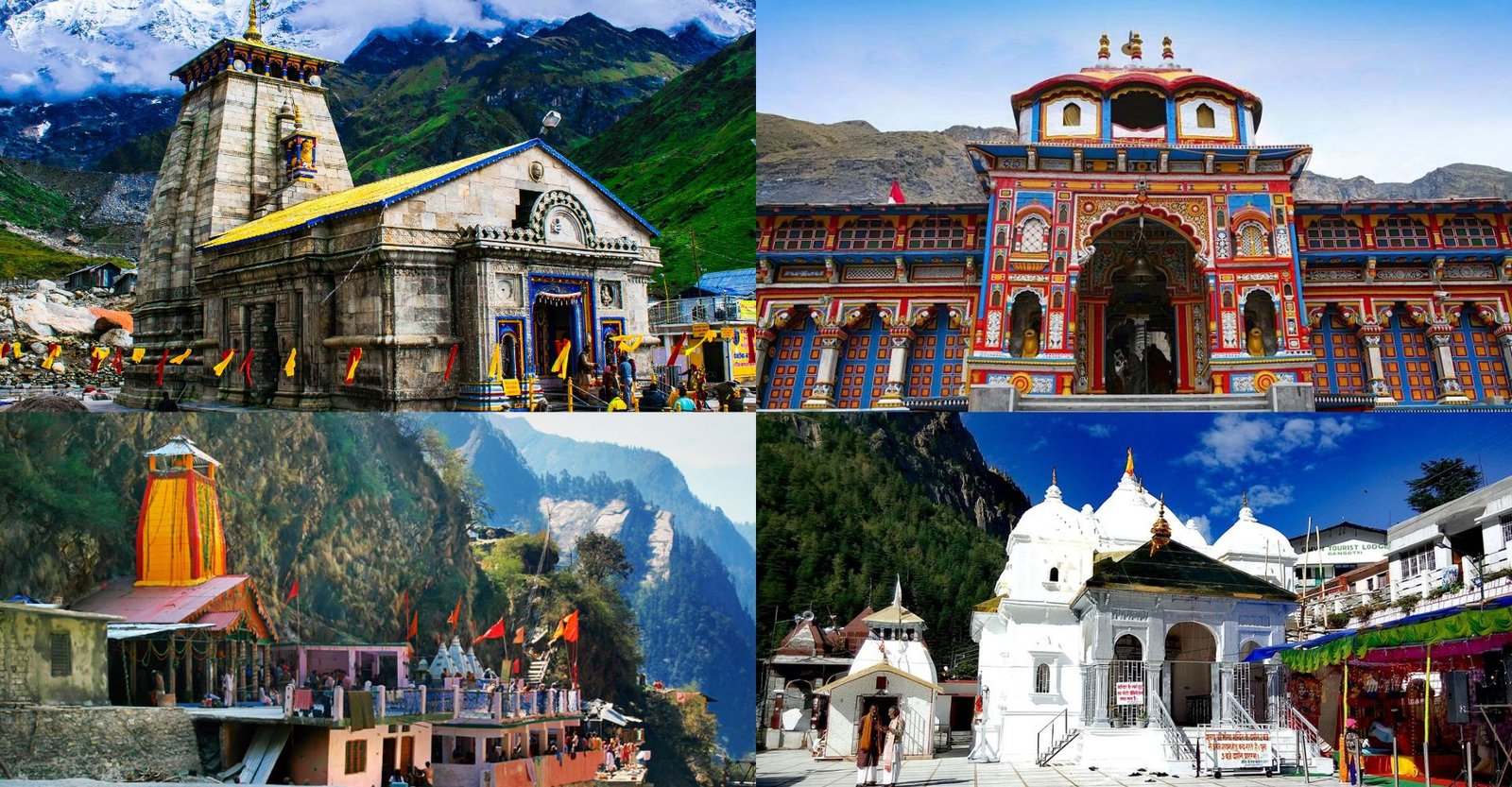
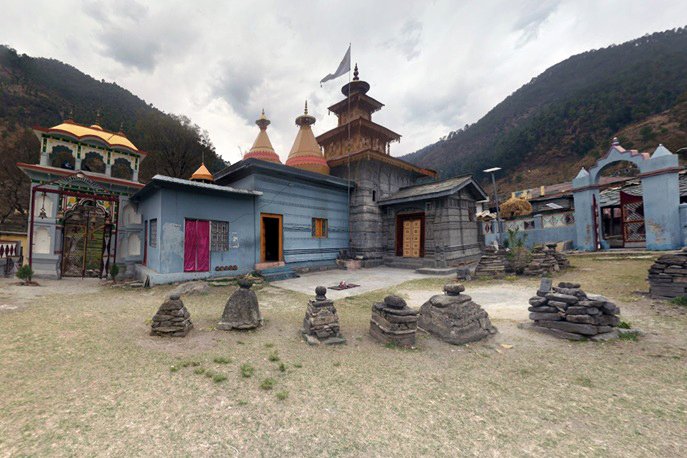
Nestled in the pristine Tehri Garhwal district of Uttarakhand, at the sacred confluence of the Bal Ganga and Dharam Ganga rivers, the Budha Kedar Temple (also known as Vriddha Kedareshwar) stands as one of the most revered and ancient Shiva shrines in the Himalayas . Located at an altitude of approximately 1,520 metres (4,400 feet) , this temple is often referred to as the “Fifth Dham” of Uttarakhand, holding a status comparable to the four principal Char Dham pilgrimage sites—Yamunotri, Gangotri, Kedarnath, and Badrinath .
The name “Budha Kedar” combines two Sanskrit words: “Budha” meaning “old” or “ancient,” and “Kedar” referring to Lord Shiva. According to the Skanda Purana’s Kedarkhand, this is where Lord Shiva appeared before the Pandavas in the guise of an old Brahmin (Vriddha) —hence the name “Budha Kedar” .
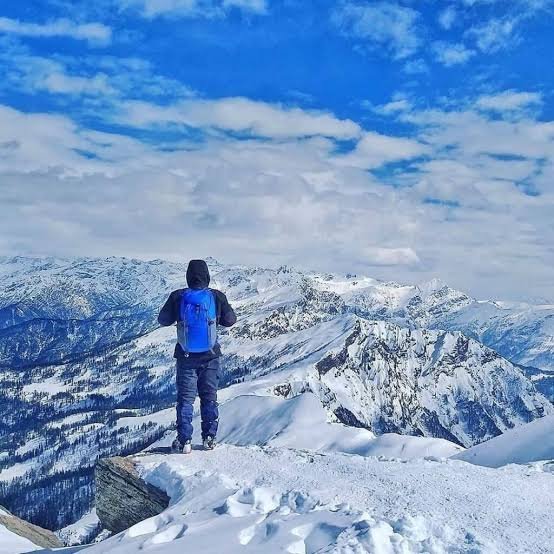
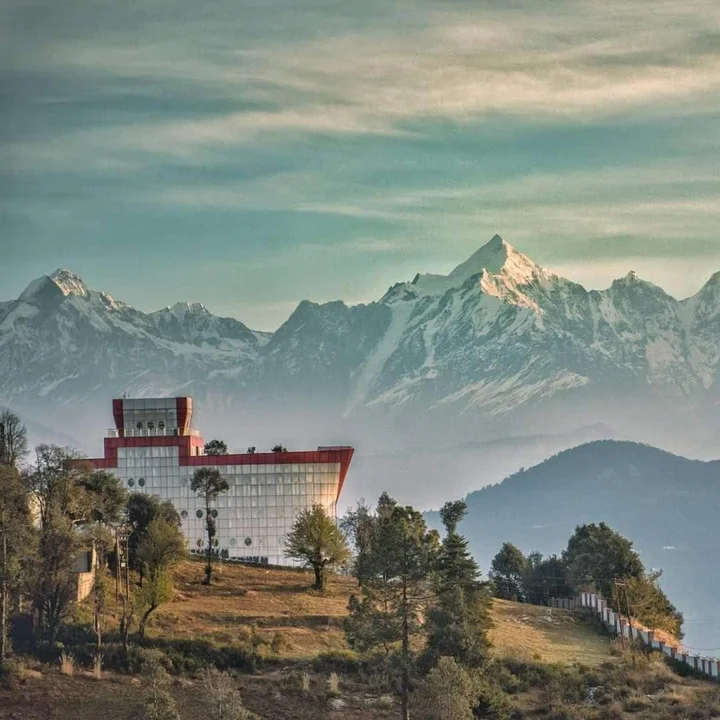
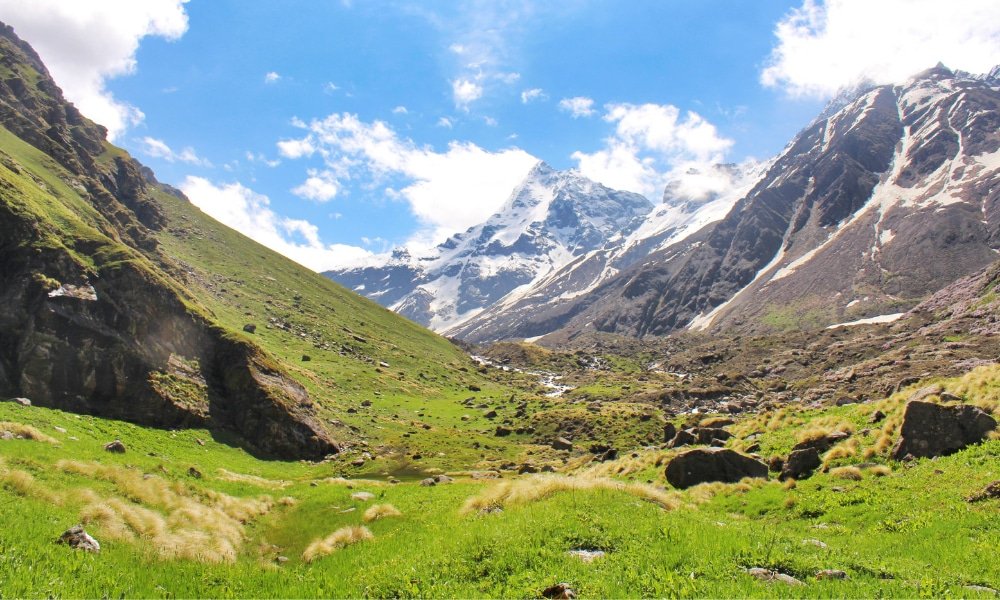
What makes this temple truly extraordinary is that it houses one of the largest Shiva Lingams in North India . The temple’s history is believed to predate the famous Kedarnath shrine, and its location at the confluence of two sacred rivers adds to its spiritual significance . The temple is surrounded by the majestic peaks of Siddhkoot, Dharmkoot, Yakshkoot, and Apsara mountain ranges, creating a breathtaking backdrop for spiritual contemplation .
Whether you are a devout pilgrim seeking to complete the Panch Kedar circuit, a history enthusiast tracing the footsteps of the Pandavas, a trekker exploring the scenic trails of Tehri Garhwal, or a nature lover drawn to the confluence of sacred rivers and dense deodar forests, Budha Kedar Temple promises an experience that is both spiritually profound and visually captivating.
Key Information at a Glance:
History and Mythology: The Legend of the Pandavas and the Old Kedar
The Pandavas’ Quest for Redemption
The most profound legend associated with Budha Kedar Temple is deeply rooted in the Mahabharata. After the bloody Kurukshetra war, the five Pandava brothers were burdened by the sin of “Gotra Hatya” (killing of their own kinsmen) and sought to atone for their actions . They embarked on a journey to seek the blessings of Lord Shiva, hoping to be absolved of their sins.
However, Lord Shiva, still incensed by the violence and dishonesty of the war, was unwilling to meet them easily. He evaded the Pandavas, hiding in various locations across the Garhwal Himalayas—first at Kedarnath, then at Guptakashi, and ultimately at this very spot in Tehri Garhwal .
The Appearance as an Old Brahmin
According to the Skanda Purana’s Kedarkhand, when the Pandavas finally tracked Shiva to this location, the Lord decided to test their devotion. He appeared before them not in his divine form but as a “Vriddha Brahmin” (old, aged man) meditating at the confluence of the Bal Ganga and Dharam Ganga rivers .
The Pandavas, not recognizing Shiva in this guise, engaged with the old man. Some versions of the legend suggest that they pleaded with him, and the old man eventually revealed his true identity. Before vanishing, Lord Shiva left behind a massive Shiva Lingam—one of the largest in North India—as a permanent marker of his presence and a blessing for devotees .
Because Lord Shiva appeared in the form of an “old man” (Vriddha) , this place came to be known as Vriddha Kedareshwar or Budha Kedar—the “Old Kedar” .
The Confluence of Five Rivers
In ancient times, this sacred site was the meeting point of five rivers: Bal Ganga, Dharam Ganga, Shiv Ganga, Menaka Ganga, and Mattan Ganga . Today, only the Bal Ganga and Dharam Ganga remain visibly flowing, merging their waters at the temple’s doorstep. Further downstream, this combined flow becomes the Bhilangana River, a major tributary of the Bhagirathi .
Bathing at this confluence is considered highly punya daayi (merit-giving), believed to cleanse sins and bring spiritual liberation .
The Mysterious Pandava Statue
One of the most intriguing aspects of Budha Kedar Temple is the natural rock formation on a stone within the temple premises that strikingly resembles the five Pandava brothers and Draupadi . This mysterious statue, which appears to have emerged naturally on the rock surface, continues to baffle visitors and researchers alike. It is considered a divine sign of the Pandavas’ connection to this sacred site .
The Significance of “Budha” (Old)
The temple is sometimes called the “original Kedarnath,” with its history believed to predate the more famous Kedarnath shrine . This is why it is referred to as “Budha” (old) Kedar—the ancient Kedar that witnessed the Pandavas’ penance before the construction of the main Kedarnath temple.
Recognition as the “Fifth Dham”
Due to its immense spiritual significance, Budha Kedar is often referred to as the “Fifth Dham” of Uttarakhand, alongside Gangotri, Yamunotri, Kedarnath, and Badrinath . Many believe that a pilgrimage to the Char Dham is incomplete without visiting Budha Kedar. In ancient times, pilgrims embarking on the Char Dham Yatra would always stop here first to seek blessings before proceeding to the higher shrines .
Temple Architecture and Features
The Largest Shivling in North India
The sanctum sanctorum of Budha Kedar Temple houses a massive, expansive Shiva Lingam that is considered one of the largest in North India . Unlike the compact lingams found in most temples, this lingam has a sprawling, elongated shape that is truly awe-inspiring . The sheer size of the lingam is a testament to the ancient origins of this shrine.
Traditional Garhwali Architecture
The Giant Trishul
Adjacent to the main shrine, there is a gigantic trident (Trishul) representing the three aspects of divine power: Bhu Shakti (earth power), Aakash Shakti (sky power), and Patal Shakti (netherworld power) . This massive trishul is a striking feature of the temple complex and symbolizes Lord Shiva’s dominion over the three worlds.
The Confluence Ghat
The temple is situated at the exact confluence (Sangam) of the Bal Ganga and Dharam Ganga rivers . Devotees can descend to the riverbank to take a holy dip in the icy waters, a ritual considered highly purifying. The confluence is also the site of a daily evening aarti (prayer ceremony) .
Surrounding Peaks
The temple is nestled among several majestic peaks:
| Peak | Significance |
|---|---|
| Siddhkoot | Sacred peak |
| Dharmkoot | Mountain of righteousness |
| Yakshkoot | Abode of the Yakshas |
| Apsara Mountain | Associated with celestial nymphs |
These peaks form a natural amphitheater around the temple, adding to its dramatic and serene setting .
Religious Beliefs and Significance
Panch Kedar Connection
Budha Kedar is considered an integral part of the Panch Kedar circuit—the five sacred Shiva temples of the Garhwal Himalayas . While the traditional Panch Kedar includes Kedarnath, Tungnath, Rudranath, Madhyamaheshwar, and Kalpeshwar, Budha Kedar is revered as an ancient precursor to these shrines and is often included as a significant stop on the pilgrimage circuit.
Vriddha Kedareshwar – The Old Kedar
The temple’s primary deity is Vriddha Kedareshwar—the “Old Kedar” . This form of Lord Shiva is believed to represent the ancient, timeless aspect of the deity, predating even the Kedarnath Jyotirlinga. Devotees believe that worshipping here is equivalent to worshipping the original form of Shiva.
Liberation from Sin (Gotra Hatya)
According to local belief, it was at this very spot that the Pandavas were finally absolved of the sin of Gotra Hatya (killing of kinsmen) . Therefore, pilgrims visit Budha Kedar to seek forgiveness for their sins and to attain spiritual purification.
Wish Fulfillment
Devotees believe that praying with a sincere heart at Budha Kedar fulfills wishes and brings blessings for health, prosperity, and spiritual awakening . The temple is particularly popular among those seeking peace of mind and liberation from worldly troubles.
The Unique Priest Tradition
Unlike most Shiva temples in Uttarakhand where Brahmins serve as priests, the priests at Budha Kedar Temple belong to the Nath sect (Rajput community) . Only those with pierced ears are eligible to perform puja here—a unique tradition that sets this temple apart from others.
The Annual Mela (Fair)
Every year in the month of Margashirsha (November–December) , a grand fair (mela) is organized at Budha Kedar Temple . During this time, thousands of devotees gather to offer prayers, participate in rituals, and celebrate with local cultural programs.
Maha Shivratri Celebration
Maha Shivaratri (February–March) is the most important festival celebrated at Budha Kedar Temple . The temple is decorated with lights and flowers, and special night-long vigils (jagrans) are held in honour of Lord Shiva.
How to Reach Budha Kedar Temple
By Air
Nearest Airport: Jolly Grant Airport, Dehradun
| Details | Information |
|---|---|
| Distance | ~79 km |
| Travel Time | 3–4 hours by taxi |
| Airlines | Regular flights from Delhi to Dehradun (approx. 1 hour) |
| Onward Travel | Taxis available from the airport to Budha Kedar via New Tehri |
From the airport, you can hire a taxi to reach the temple. The route passes through Dehradun and New Tehri.
By Train
Nearest Railway Station: Rishikesh Railway Station
| Details | Information |
|---|---|
| Distance | ~74 km |
| Travel Time | 3–4 hours by taxi |
| Connectivity | Well-connected from Delhi, Mumbai, Kolkata |
Alternative Station: Haridwar Railway Station (~85 km)
Popular Trains from Delhi to Rishikesh/Haridwar:
| Train Name | From Delhi | Departure | Arrival | Destination |
|---|---|---|---|---|
| Shatabdi Express | Delhi | 6:00 AM | 11:40 AM | Haridwar |
| Jan Shatabdi | Delhi | 3:20 PM | 9:00 PM | Haridwar |
| Mussoorie Express | Delhi | 10:05 PM | 5:30 AM | Haridwar |
From the railway station, you can hire a taxi or take a bus to New Tehri, then proceed to Budha Kedar.
By Road
Distance from New Tehri: Approximately 86 km
Bus Services:
| Aspect | Details |
|---|---|
| Availability | Direct bus service from New Tehri to Budha Kedar |
| Timings | Early morning only (6:00–7:30 AM) |
| Frequency | Limited; check with local bus stand |
By Private Vehicle:
Route from New Tehri to Budha Kedar:
The route from New Tehri to Budha Kedar passes through:
The road is scenic but winding, with beautiful views of the Tehri Lake and surrounding mountains.
The Short Trek to the Temple (1 km)
From the road head, the temple is accessible via a short 1 km walk . The trail:
What to Expect:
- The walk passes between the confluence of Bal Ganga and Dharam Ganga rivers
- The roaring sound of the rivers creates a soothing atmosphere
- There is a pedestrian overpass bridge marked as the “Viewpoint of Confluence”
- The path is steep in sections, so caution is needed on rainy days
Landmarks along the trail:
Distances from Major Cities
| City | Distance (km) | Travel Time |
|---|---|---|
| Delhi | 361 | 6–7 hours drive |
| Dehradun | ~90 | 3–4 hours |
| Rishikesh | 74 | 3–4 hours |
| Haridwar | ~85 | 4 hours |
| New Tehri | 86 | 2–3 hours |
| Uttarkashi | ~50 | 2 hours |
The Budha Kedar Trek
Trek Overview
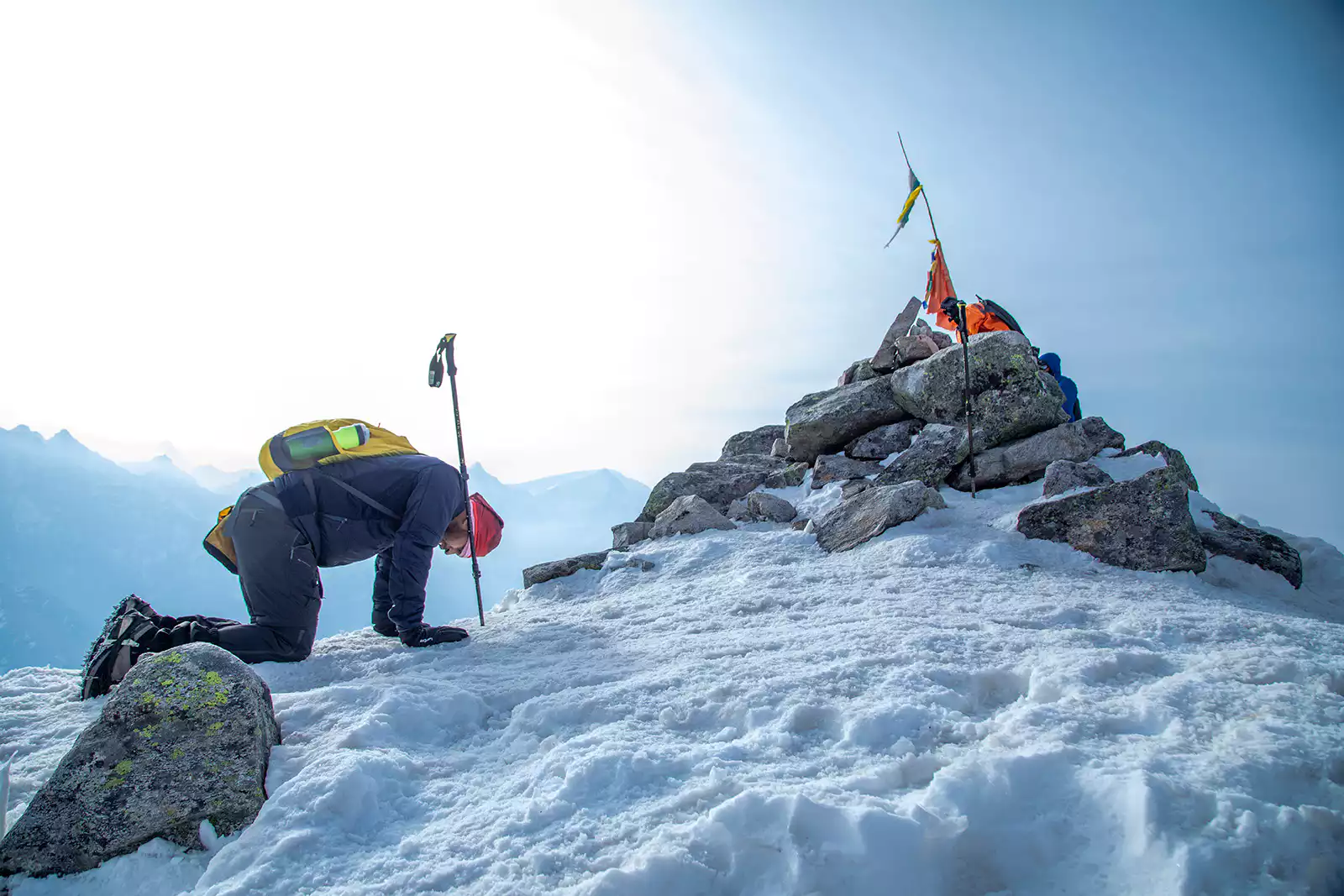
Budha Kedar serves as a base for an easy and enjoyable trek that is perfect for beginners and families . The trek is known for its stunning beauty during most of the year.
| Aspect | Details |
|---|---|
| Trek Distance from Temple | Short (1 km to temple) |
| Extended Trek | Budha Kedar to Masar Tal (15+ km) |
| Difficulty | Easy |
| Best Time | April–June & September–November |
The Budha Kedar to Masar Tal Trek
For more adventurous trekkers, Budha Kedar serves as a starting point for the trek to Masar Tal, a high-altitude lake at approximately 3,000 metres .
Trekking Tips
Nearby Places to Visit
New Tehri and Tehri Dam
New Tehri is the district headquarters and home to the Tehri Dam—one of the tallest dams in the world. The dam has created the expansive Tehri Lake, where visitors can enjoy:
- Boating, jet skiing, and water sports
- Stunning views of the reservoir
- Cable car rides
Khirsu – The Apple Orchard Paradise
Khirsu is a peaceful hill station known for its apple orchards, deodar forests, and panoramic views of the Himalayan peaks including Nanda Devi, Trishul, and Chaukhamba.
Kanatal – The Camping Destination
Kanatal is a serene hill station offering camping, adventure activities, and stunning views of the Himalayas. It is also home to the Kaudia Forest, known for its dense deodar trees.
Weather and Best Time to Visit
Climate Overview
Budha Kedar experiences a pleasant high-altitude climate with distinct seasons. The temple is situated at 1,520 metres, making it comfortable for most of the year.
Month-by-Month Guide
Best Time to Visit by Season
Why Visit in Summer (April–June)
This is the most popular time to visit Budha Kedar Temple:
- Pleasant weather with daytime temperatures ranging from 15°C to 25°C
- Clear skies offering spectacular views of the surrounding peaks
- Rhododendron forests in full bloom
- Ideal conditions for the short trek to the temple
- The annual Maha Shivratri festival (February–March)
Why Visit in Autumn (October–November)
Autumn is another excellent time to visit:
- Post-monsoon freshness brings out the lush greenery
- Crisp, invigorating air with clear, cloudless skies
- Vibrant colours prevailing in the surroundings
- Perfect for photography
- The annual Mela in Margashirsha (November–December)
Why Avoid Monsoon (July–September)
The monsoon months are not recommended for visiting due to:
- Heavy rainfall making trails slippery and dangerous
- High risk of landslides on mountain roads
- The final steep stairs to the temple become hazardous
- Cloud cover obscuring mountain views
Winter Visit (December–March)
Winter transforms Budha Kedar into a serene, snow-covered landscape:
- You can experience chilly weather and occasional snowfall
- The temple remains open, but the approach can be challenging
- Temperatures can drop to -15°C at night
- This is the best time for a quiet, less-crowded spiritual experience
- Carry heavy woolens and proper gear
Best Time of Day for Visit
| Time | Activity | Tips |
|---|---|---|
| Morning (6:00–9:00 AM) | Temple darshan, confluence view | Best for peaceful darshan |
| Late Morning (9:00–11:00 AM) | Photography | Good natural light |
| Evening (4:00–7:00 PM) | Evening aarti, sunset views | Beautiful atmosphere |
Local Cuisine: What to Eat
In Nearby Towns
| Dish | Description |
|---|---|
| Aloo Ke Gutke | Spiced fried potatoes, Garhwali specialty |
| Chainsoo | Protein-rich black gram curry |
| Kafuli | Spinach and fenugreek curry |
| Mandua Roti | Finger millet flatbread |
| Gahat Ki Dal | Horse gram lentil soup |
| Jhangora Kheer | Barnyard millet sweet pudding |
Where to Eat
| Location | Options |
|---|---|
| New Tehri | Local dhabas, hotel restaurants |
| Near Temple | Small eateries, snacks, chai |
| On the Trek | Packed snacks, water |
Dining Tips
- Most visitors carry packed meals or eat in New Tehri
- Pure vegetarian options are widely available
- Carry packaged snacks for the journey
- Stay hydrated—carry water for the short trek
Where to Stay: Accommodation Options
Near Budha Kedar Temple (Limited)
| Accommodation | Features | Price Range |
|---|---|---|
| Local Guesthouses | Basic rooms, simple facilities | ₹800–1,500 |
| Dhaba Accommodation | Basic stay near the temple | ₹500–1,000 |
Note: There is a school ground at Budha Kedar where trekkers sometimes camp . However, for comfortable stays, it is recommended to stay in New Tehri.
In New Tehri (86 km from Temple)
| Category | Price Range | Features |
|---|---|---|
| Mid-Range Hotels | ₹2,000–4,000 | Comfortable rooms, hot water, good food |
| Budget Hotels | ₹800–1,800 | Basic amenities |
| Resorts | ₹3,000–6,000 | Tehri Lake views, better amenities |
In Rishikesh (74 km from Temple)
| Category | Price Range | Features |
|---|---|---|
| Luxury Resorts | ₹8,000–20,000+ | Premium amenities, river views |
| Mid-Range Hotels | ₹2,000–5,000 | Comfortable, convenient |
| Budget Hotels | ₹800–2,000 | Basic amenities |
| Ashrams | ₹500–1,500 | Spiritual atmosphere |
Booking Tips
- Book well in advance for Maha Shivratri season (February–March)
- For stays in New Tehri, book 1–2 weeks in advance during peak season
- Rishikesh offers the widest range of accommodation options
- Carry cash—card facilities may be limited near the temple
Travel Tips and Important Information
Before You Go
- Plan Your Transport: Direct bus service from New Tehri to Budha Kedar operates only early morning (6:00–7:30 AM) . Plan accordingly.
- Carry Cash: ATMs are limited near Budha Kedar; bring sufficient cash from New Tehri or Rishikesh.
- Check Weather: Avoid monsoon (July–August) due to heavy rainfall and landslide risk .
- Dress Modestly: Budha Kedar Temple is a sacred site; dress appropriately when visiting.
- Carry Warm Clothing: Even in summer, mornings and evenings can be cool; winter requires heavy woolens .
- Wear Comfortable Shoes: The final approach involves climbing steep stairs .
During Your Visit
- Take a Holy Dip: Bathe at the confluence of Bal Ganga and Dharam Ganga rivers for spiritual purification .
- Remove Shoes: Before entering the temple premises.
- Respect Temple Traditions: Note that priests belong to the Nath sect (Rajput community) with pierced ears—a unique tradition .
- Photography: May be restricted inside the sanctum; ask permission.
- Explore the Confluence: Walk to the pedestrian overpass bridge marked as the “Viewpoint of Confluence” for the best views .
The Short Trek Tips
Safety Tips
- Road Safety: The roads from New Tehri to Budha Kedar are winding; avoid night driving
- Monsoon Travel: Avoid July–August due to landslide risk
- Altitude Awareness: At 1,520 m, altitude sickness is rare but possible; stay hydrated
- Wildlife: The area is forested; be aware of surroundings
Packing Checklist
Photography Tips
- Best Spots: Confluence viewpoint, temple exterior with mountain backdrop, the giant Trishul, the massive Shivling
- Best Time: Morning for soft light; golden hour for warm tones
- Note: Ask permission before photographing inside the sanctum
Etiquette and Customs
| Custom | Details |
|---|---|
| Remove Shoes | Before entering the temple premises |
| Dress Modestly | Shoulders and knees should be covered |
| Maintain Silence | Inside the sanctum |
| Ask Permission | Before photographing the deity |
| Offerings | Flowers, coconut, prasad (available near the temple) |
Frequently Asked Questions (FAQs)
Q1: Where is Budha Kedar Temple located?
A: Budha Kedar Temple is located in the Tehri Garhwal district of Uttarakhand, at the confluence of the Bal Ganga and Dharam Ganga rivers, approximately 86 km from New Tehri .
Q2: What is the best time to visit Budha Kedar Temple?
A: The best time to visit is April to June (summer) and October to November (autumn). The weather is pleasant, and the skies are clear .
Q3: What is the altitude of Budha Kedar Temple?
A: The temple is situated at an altitude of approximately 1,520 metres (4,400–4,500 feet) above sea level .
Q4: How far is Budha Kedar Temple from New Tehri?
A: The distance from New Tehri to Budha Kedar Temple is approximately 86 km .
Q5: How far is Budha Kedar Temple from Delhi?
A: The distance from Delhi is approximately 361 km, with a travel time of 6–7 hours by road .
Q6: How do I reach Budha Kedar Temple?
A: By road from New Tehri (86 km) via private taxi or early morning bus (6:00–7:30 AM), by train to Rishikesh (74 km) followed by taxi, or by flight to Jolly Grant Airport, Dehradun (79 km) followed by taxi .
Q7: Is there a trek to reach Budha Kedar Temple?
A: Yes, from the road head, there is a short 1 km walk to the temple. The path is well-laid but steep in sections .
Q8: What is the significance of the Bal Ganga and Dharam Ganga confluence?
A: The confluence of these two rivers is considered highly sacred. Bathing here is believed to be purifying (punya daayi). The rivers merge to form the Bhilangana River, a tributary of the Bhagirathi .
Q9: What is unique about the Budha Kedar Shivling?
A: The temple houses one of the largest Shiva Lingams in North India. It has a sprawling, elongated shape that is unlike typical lingams .
Q10: What is the Pandava connection to Budha Kedar Temple?
A: According to legend, the Pandavas came here seeking Lord Shiva’s blessings to atone for the sin of Gotra Hatya (killing of kinsmen). Lord Shiva appeared before them as an old Brahmin (Vriddha) at this spot, giving the temple its name .
Q11: What is the “Fifth Dham” reference to Budha Kedar?
A: Budha Kedar is often referred to as the “Fifth Dham” of Uttarakhand, alongside Gangotri, Yamunotri, Kedarnath, and Badrinath. Its history is believed to predate the Kedarnath shrine .
Q12: What festivals are celebrated at Budha Kedar Temple?
A: The main festivals are Maha Shivratri (February–March) and the annual Mela in Margashirsha (November–December) .
Q13: Who are the priests at Budha Kedar Temple?
A: Unlike most Shiva temples, the priests at Budha Kedar belong to the Nath sect (Rajput community) , and only those with pierced ears are eligible to perform puja .
Q14: Are there accommodation options near Budha Kedar Temple?
A: Limited basic guesthouses are available near the temple. For comfortable stays, it is recommended to stay in New Tehri (86 km away) or Rishikesh (74 km away) .
Q15: Is there mobile network at Budha Kedar Temple?
A: Mobile connectivity is limited. BSNL works in some pockets. Inform family of your travel plans in advance.
Plan Your Budha Kedar Temple Journey with Discover Uttarakhand
At Discover Uttarakhand, we’ve been organising unforgettable spiritual journeys across Devbhoomi since 1997. As a trusted local operator with deep knowledge of the Tehri Garhwal region, we offer:
- ✅ Customised Budha Kedar Temple tour packages (2 to 4 days)
- ✅ Combined itineraries covering Budha Kedar, Tehri Dam, and Dhanaulti
- ✅ Comfortable transport with experienced hill drivers
- ✅ Verified accommodations in New Tehri and Rishikesh
- ✅ Local guides for the temple and surrounding areas
- ✅ 24/7 customer support throughout your journey
Recommended Budha Kedar Packages
| Package | Duration | Starting Point | Highlights |
|---|---|---|---|
| Budha Kedar Darshan Day Trip | 1 Day | New Tehri | Temple darshan, river confluence, giant Shivling |
| Budha Kedar & Tehri Dam | 2 Nights / 3 Days | Rishikesh | Budha Kedar Temple, Tehri Dam, Tehri Lake |
| Tehri Garhwal Pilgrimage | 3 Nights / 4 Days | Haridwar | Budha Kedar, New Tehri, Dhanaulti, Rishikesh |
Book your Budha Kedar Temple journey today and seek the blessings of the ancient Kedar—the Old Lord who absolved the Pandavas of their sins.
📞 Call / WhatsApp: +91-9997187178, 9760222178, 8171977178
📍 Visit Our Office: Himalayan Colony, opposite DSVV, Haripur Kalan, Haridwar, Motichur Range, Uttarakhand 249411
🌐 Website: www.discover-uttarakhand.com
📧 Email: info@discover-uttarakhand.com
Om Namah Shivaya! Har Har Mahadev! 🙏
Discover Uttarakhand – Your Local Partner for Sacred Himalayan Journeys Since 1997 🏔️