Introduction: The Valley of Gods in the Kumaon Himalayas
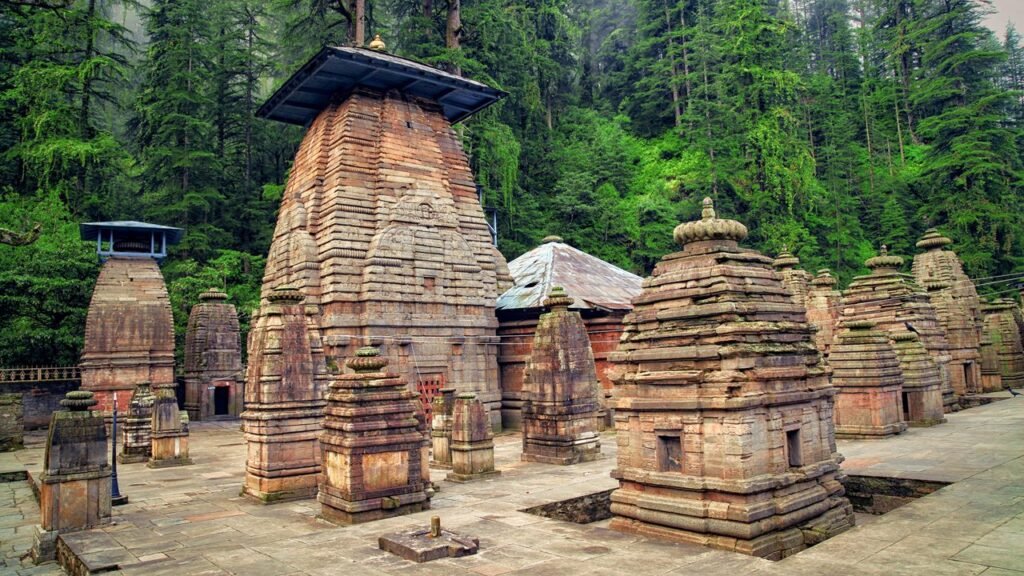
Nestled in the dense deodar forests of the Kumaon Himalayas, about 36 kilometres northeast of Almora, lies Jageshwar—one of the most sacred and architecturally significant pilgrimage sites in Uttarakhand. Often referred to as the “Valley of Gods,” this ancient temple complex is home to over 124 stone temples dedicated primarily to Lord Shiva, spread across a narrow 3.5-kilometre stretch along the Jataganga River.
Jageshwar is not merely a temple—it is a living museum of medieval Indian architecture and a testament to the devotion that flourished in these mountains over a thousand years. The site is protected and managed by the Archaeological Survey of India (ASI), which has numbered over 150 pre-12th century monuments within the valley. The temples range from small, single-cell shrines measuring barely 3 square feet to substantial structures with towering shikharas, yet each is carved with remarkable precision from local stone.
According to Hindu tradition, Jageshwar is considered one of the Jyotirlingas—the radiant representations of Lord Shiva. The main temple houses a sacred Shivalinga believed to be self-manifested (Swayambhu), drawing thousands of devotees each year, especially during the grand Maha Shivratri Mela in early spring and the Jageshwar Monsoon Festival in July–August.
Whether you are a pilgrim seeking the blessings of Lord Shiva, a history enthusiast exploring India’s medieval architectural heritage, a photographer capturing ancient stone carvings amidst deodar forests, or a traveller looking for peace away from crowded tourist circuits, Jageshwar promises an experience that is both spiritually enriching and visually captivating.
Key Information at a Glance:
History: A Thousand Years of Devotion
The Origins: 7th to 14th Century CE
The origins of the Jageshwar temples are shrouded in mystery, but archaeological evidence places the earliest structures between the 7th and 14th centuries CE. The remote location of the valley has limited systematic studies, but the diversity of architectural styles across the complex suggests multiple construction phases spanning nearly 700 years.
According to the Archaeological Survey of India (ASI), some temples date to the post-Gupta period (second half of the 1st millennium), while others belong to the 2nd millennium. The site shows evidence of continuous religious activity, with later additions and renovations occurring through the 20th century.
The Katyuri Dynasty (7th–11th Century)
The Katyuri dynasty, which ruled large parts of present-day Uttarakhand between the 7th and 11th centuries, is widely credited with transforming Jageshwar into a major Shaiva religious centre. Most historians agree that the majority of the temples at Jageshwar were constructed during the Katyuri period.
Under Katyuri rule:
- Jageshwar evolved into a clustered temple complex rather than a single shrine
- Stone temple architecture flourished, reflecting early Nagara-style influences
- The region became an important religious and cultural hub, attracting sages, scholars, and pilgrims
The Katyuris were devoted followers of Shaivism and actively patronised temple-building across the Kumaon region, including Baijnath, Dwarahat, and Jageshwar.
The Chand Dynasty (11th–18th Century)
After the decline of the Katyuri dynasty, power in Kumaon shifted to the Chand rulers, who ruled the region for several centuries. Instead of allowing Jageshwar to fade into obscurity, the Chand kings continued to support, preserve, and expand the temple complex.
During the Chand period:
- Several existing temples were renovated and restored
- New shrines and supporting structures were added
- Jageshwar remained an active pilgrimage site, not just a historical relic
Many of the stone inscriptions found in and around Jageshwar Dham date back to the Chand era. These inscriptions provide valuable insights into land grants and temple administration.
The Adi Shankaracharya Connection
According to local tradition, the great philosopher-saint Adi Shankaracharya (c. 788–820 CE) revived and renovated the original temples at Jageshwar. However, some scholars note that the architectural features of certain temples date from the early 7th century, about 50 to 100 years before Shankaracharya lived. Regardless of the exact timeline, the association with Shankaracharya has cemented Jageshwar’s status as a sacred pilgrimage site in the Shaivism tradition.
Jageshwar is called “Uttara Kashi”
Over time, Jageshwar was positioned as the northern Kashi (Uttara Kashi)—a sacred geography intended to provide pilgrims in the Himalayas with an alternative to the holy city of Varanasi. This conceptual shift helped establish Jageshwar as a major pilgrimage destination for devotees unable to travel to the distant plains.
The Temple Complex: An Open-Air Museum
Overview of the Complex
The Jageshwar temple complex stretches over 3.5 kilometres along the Jataganga River, forming a narrow, forested valley of deodar, oak, pine, and rhododendron. The temples are grouped mainly into two major clusters:
| Cluster | Number of Temples | Features |
|---|---|---|
| Jageshwar Group | ~124 temples | Includes the most significant and large temples; main temple complex |
| Dandeshwar Group | ~15 temples | Located near the village of Dandeshwar; includes some of the earliest architectural styles |
Together, these clusters form one of the largest temple concentrations in the Himalayas.
Architectural Style: The Nagara Tradition
The temples at Jageshwar predominantly illustrate the North Indian Nagara style of architecture, characterised by:
- Curvilinear towers (Shikhara): Rising above the sanctum, tapering to a point
- Amalaka: A cogged disc capping the tower, symbolising the lotus
- Square plan sanctums: Often remarkably small—some measure barely 3 feet across
- Plain walls: Minimal exterior ornamentation, focusing attention on the sanctum
Interestingly, most of the sanctums are too small for a priest to sit inside and perform rituals. Additionally, many Shiva lingas lack drain channels for abhisheka (ritual bathing), a feature common in later temples. Scholars suggest that many of these structures may have been memorial shrines to Hindu monks or saints, rather than temples designed for daily congregational worship.
Major Temples Within the Complex
Jageshwar Mahadev Temple (Temple 37)
| Aspect | Details |
|---|---|
| Dedicated to | Lord Shiva |
| Construction Period | 12th–13th century CE |
| Features | Pyramidal stone tower, mandapa (pillared hall), vestibule, sanctum |
| Significance | Principal temple of the complex |
This is the main temple of the Jageshwar complex and the focal point of pilgrimage. The temple houses the revered Shivalinga, considered a radiant symbol of Shiva’s cosmic power. The structure shows multiple phases of reconstruction, reflecting the site’s long and continuous history of worship.
Mrityunjaya Mahadev Temple (Temple 76)
| Aspect | Details |
|---|---|
| Dedicated to | Shiva as the “Conqueror of Death” |
| Period | 8th–10th century CE |
| Style | Rekha-prasada (Latina) Nagara style |
| Significance | One of the most architecturally significant temples |
This temple follows classical Vastu principles and includes inscriptions dated between the 8th and 10th centuries. A pillared hall precedes the sanctum, which is topped by a tower adorned with discs that break its visual monotony. The temple is associated with longevity and healing.
Dandeshwar Mahadev Temple
| Aspect | Details |
|---|---|
| Period | 9th–10th century CE |
| Style | Unique shikhara with receding tiers |
| Features | Mandapa missing today; remaining structure hints at former grandeur |
| Location | Slightly away from the main cluster |
This temple stands near the flowing river and is believed to predate many other structures in the complex.
Kuber Temple
| Aspect | Details |
|---|---|
| Dedicated to | Lord Kuber (God of Wealth) |
| Style | Rekha-prasada style |
| Features | Crowned amalaka-sila atop the shikhara |
This smaller temple echoes the architectural style of the Mrityunjaya Temple and symbolises prosperity in ancient Shaiva belief systems.
Other Notable Temples
| Temple | Dedication | Significance |
|---|---|---|
| Navagraha Temple | Nine planetary deities | Reflects astrological importance in Hindu worship |
| Surya Temple | Sun God (Saura tradition) | Shows the presence of Sauraism within the Shaiva complex |
| Nanda Devi / Nau Durga Temple | Goddess Nanda Devi | Represents the Shakti tradition |
| Batuk Bhairav Temple | Bhairav (fierce form of Shiva) | Associated with protection and tantric Shaiva practices |
| Chandi-ka-Temple | Goddess Chandi | Dedicated to the fierce form of Durga |
ASI Archaeological Museum
For anyone interested in history, art, or iconography, the ASI Museum is an essential stop.
| Aspect | Details |
|---|---|
| Entry Fee | ₹10 (Indians), ₹250 (foreigners) |
| Timings | 9:00 AM – 5:00 PM (Closed Fridays) |
| Collection | Over 150 stone sculptures from the 9th to 13th centuries |
Notable sculptures include:
- Uma-Maheshwar: Lord Shiva with Goddess Parvati, adorned by celestial attendants
- Surya: The sun god standing tall, holding lotus flowers in his hands
- Navagraha panels: The nine planetary deities
- Chamunda Devi: The fierce goddess
- Saptamatrikas: The seven mother goddesses
- Vishapaharanamurti: Shiva consuming poison
- Pona Raja: A four-foot-tall bronze statue of a local ruler who played a significant role in the region’s history
Stone Reliefs and Sculptures
Beyond the temples themselves, Jageshwar is notable for its rock steles featuring Hindu theological themes. Remarkably, the site includes representations from all four major traditions of Hinduism :
| Tradition | Examples |
|---|---|
| Shaivism | Vinadhara Shiva (lute-bearing Shiva), Nataraja, Lakulisha |
| Vaishnavism | Narayana |
| Shaktism | Saptamatrikas (seven mothers), Ksemankari |
| Sauraism | Surya (Sun God), Revanta |
Other significant reliefs include those of dancing Ganesha, seated and smiling Uma-Parvati, and various yogic figures.
The Sacred Geography: Brahm Kund and Jataganga River
Brahm Kund
At the heart of the Jageshwar complex lies Brahm Kund, a sacred water tank fed by the Jataganga River. Pilgrims traditionally begin their spiritual journey by taking a purifying dip in the holy waters of Brahm Kund before proceeding to the main temple. The kund is flanked by the Kuber Temple and other shrines.
Jataganga River
The Jataganga River flows through the valley, dividing the temple clusters. The name “Jataganga” refers to the matted locks (jata) of Lord Shiva, symbolising the river’s sacred origin. The stream creates a serene atmosphere, with the sound of flowing water accompanying your exploration of the temples.
Confluence of Nandini and Surabhi
The temple clusters begin near the confluence (sangam) of two streams—Nandini and Surabhi—after they flow down the hills into the narrow valley. This confluence is considered sacred, adding to the spiritual significance of the site.
Airavat Gufa (Cave)
Airavat Gufa is a cave associated with local legends, located within the temple complex. It adds a sense of mystery and exploration to the pilgrimage experience.
Pilgrimage and Festivals
Jageshwar as a Jyotirlinga
Jageshwar is believed by many devotees to be one of the 12 Jyotirlingas—the most sacred representations of Lord Shiva. While some lists do not include Jageshwar among the traditional twelve, local belief and tradition hold it in equally high reverence. The main temple houses a Swayambhu (self-manifested) Shivalinga, which is the focal point of worship.
Pilgrimage Circuit
Pilgrims traditionally follow a specific routine when visiting Jageshwar :
| Step | Action |
|---|---|
| 1 | Purifying dip in Brahm Kund |
| 2 | Visit to the main Jageshwar Mahadev Temple |
| 3 | Dakshin Mukhi Hanuman Neelkanth Temple |
| 4 | Surya Temple |
| 5 | Navagraha Temple |
| 6 | Pushti Mata Temple |
| 7 | Mrityunjaya Temple |
| 8 | Hawan Kunda (sacrificial fire pit) |
| 9 | Lakulisha Temple |
| 10 | Tarkeshwar Temple (replica of Kedarnath) |
| 11 | Navdurga Temple |
| 12 | Batuk Bhairav Temple |
| 13 | Kuber Temple (near Brahm Kund) |
This circuit ensures that devotees pay homage to all the major deities represented within the complex.
Major Festivals
Maha Shivratri Mela (February–March)
The Maha Shivratri Mela is the grandest celebration at Jageshwar, drawing thousands of devotees from across India. The festival takes place in early spring (February–March) and features:
- All-night vigil (jagran) in honour of Lord Shiva
- Special prayers and abhishekam rituals
- Processions and cultural performances
- A vibrant fair atmosphere with food and craft stalls
This is the best time to experience Jageshwar’s spiritual energy at its peak, though be prepared for large crowds.
Jageshwar Monsoon Festival (July–August)
The annual Jageshwar Monsoon Festival takes place during the Hindu month of Shravan (July–August). This festival coincides with the peak of the monsoon season, when the valley is at its greenest, and the deodar forests are shrouded in mist. Pilgrims walk in large numbers during this month and offer water to the Shivalinga.
Daily Temple Timings
| Season | Opening Time | Closing Time |
|---|---|---|
| Summer | 4:30 AM | 7:30 PM |
| Winter | 5:00 AM | 6:00 PM |
Aarti Timings:
How to Reach Jageshwar
By Air
Nearest Airport: Pantnagar Airport (approximately 150 km from Jageshwar)
| Details | Information |
|---|---|
| Distance | ~150 km |
| Travel Time | 4–5 hours by taxi |
| Airlines | Regular flights from Delhi to Pantnagar (approx. 1 hour) |
| Onward Travel | Taxis available from the airport to Jageshwar via Almora |
By Train
Nearest Railway Station: Kathgodam (approximately 125 km from Jageshwar)
| Station | Distance | Travel Time | Connectivity |
|---|---|---|---|
| Kathgodam | 125 km | 4–5 hours by road | Most preferred; well-connected from Delhi |
Popular Trains from Delhi to Kathgodam:
| Train Name | From Delhi | Departure | Arrival (Kathgodam) | Duration |
|---|---|---|---|---|
| Ranikhet Express | Delhi | 10:05 PM | 5:05 AM | 7 hours |
| Shatabdi Express | Delhi | 6:00 AM | 11:40 AM | 5h 40m |
From Kathgodam station, taxis and buses are available for Jageshwar via Almora.
By Road
Jageshwar is well-connected by road to major cities in North India:
| Starting Point | Distance | Travel Time | Route |
|---|---|---|---|
| Delhi | ~390 km | 10–12 hours | Delhi → Hapur → Moradabad → Rampur → Haldwani → Kathgodam → Bhimtal → Almora → Jageshwar |
| Kathgodam | 125 km | 4–5 hours | Kathgodam → Bhimtal → Almora → Jageshwar |
| Almora | 36 km | 1.5–2 hours | Almora → Jageshwar |
| Nainital | 100 km | 3–4 hours | Nainital → Bhimtal → Almora → Jageshwar |
| Pithoragarh | 88 km | 3–4 hours | Pithoragarh → Jageshwar |
Road Conditions: The route is scenic but winding, passing through pine and deodar forests. Roads are generally well-maintained, though caution is advised during the monsoon.
Bus Services: Regular state transport and private buses operate from Kathgodam, Almora, and Nainital to Jageshwar.
Distances from Major Cities
| City | Distance (km) |
|---|---|
| Delhi | ~390 |
| Dehradun | ~340 |
| Haridwar | ~300 |
| Rishikesh | ~310 |
| Nainital | 100 |
| Almora | 36 |
| Kathgodam | 125 |
| Pantnagar Airport | ~150 |
| Pithoragarh | 88 |
Weather and Best Time to Visit
Climate Overview
Jageshwar experiences a pleasant climate with distinct seasons. The town’s elevation of 1,870 meters ensures cool temperatures even in summer, while winter brings cold weather and occasional snowfall.
Month-by-Month Temperature Guide
| Month | Season | Day Temp (°C) | Night Temp (°C) | Conditions | Travel Suitability |
|---|---|---|---|---|---|
| January | Winter | 5–12 | -2–5 | Very cold, occasional snow | ⭐ Moderate |
| February | Winter | 7–15 | 0–6 | Cool, Maha Shivratri festival | ⭐ Good |
| March | Spring | 10–18 | 3–8 | Pleasant, spring begins | ⭐ Excellent |
| April | Spring | 15–22 | 8–12 | Warm, ideal | ⭐ Best |
| May | Summer | 18–26 | 10–15 | Pleasant, clear skies | ⭐ Best |
| June | Summer | 20–28 | 12–18 | Warm, pre-monsoon | ⭐ Best |
| July | Monsoon | 18–24 | 12–16 | Heavy rainfall | ⚠️ Avoid |
| August | Monsoon | 18–24 | 12–16 | Heavy rainfall, festivals | ⚠️ Moderate |
| September | Autumn | 16–22 | 10–14 | Post-monsoon, clear | ⭐ Excellent |
| October | Autumn | 12–20 | 6–10 | Clear skies, pleasant | ⭐ Excellent |
| November | Autumn | 8–16 | 3–8 | Crisp, cool | ⭐ Good |
| December | Winter | 5–12 | -2–5 | Cold, possible snow | ⭐ Moderate |
Best Time to Visit by Season
| Season | Months | Suitability | Conditions | Best For |
|---|---|---|---|---|
| Spring-Summer | March–June | ⭐ Best | 10°C–28°C, clear skies, pleasant | Temple exploration, sightseeing, comfortable weather |
| Autumn | September–November | ⭐ Excellent | 8°C–22°C, clear skies, crisp air | Photography, peaceful retreat, clear mountain views |
| Monsoon | July–August | ⚠️ Avoid | 12°C–24°C, heavy rainfall, landslides | Not recommended (except for Monsoon Festival) |
| Winter | December–February | ⭐ Good | -2°C–15°C, cold, occasional snow | Maha Shivratri festival, snow views, fewer crowds |
Festival-Based Visits
| Festival | Time | What to Expect |
|---|---|---|
| Maha Shivratri Mela | February–March | Grand celebration, thousands of devotees, special rituals, vibrant fair atmosphere |
| Jageshwar Monsoon Festival | July–August | Monsoon rains, lush green valley, special religious ceremonies, smaller crowds |
Why Visit in Spring-Summer (March–June)
This is the most popular time to visit Jageshwar. The weather is perfect for exploring the temple complex—warm days and cool nights. The deodar forests are lush, and the skies are clear, offering excellent conditions for photography. This period also avoids the monsoon rains, making travel safer.
Why Visit in Autumn (September–November)
Autumn offers crystal-clear skies and comfortable temperatures. The post-monsoon freshness makes the valley incredibly green, and the crowds are thinner than in summer. This is the best time for photography, as the light is perfect and the mountain views are unobstructed.
Why Avoid Monsoon (July–August)
The monsoon months bring heavy rainfall to the Kumaon region, leading to:
- Slippery and treacherous temple steps
- Landslide risk on mountain roads
- Leeches on forest paths
- Cloud cover obscuring mountain views
However, if you wish to attend the Jageshwar Monsoon Festival, be prepared for rain and travel cautiously.
Winter Visit (December–February)
Winter transforms Jageshwar into a serene, snow-dusted landscape. The temple complex is covered in a thin layer of snow, presenting a breathtaking view. However, it may not be suitable for all travellers due to the cold. Temperatures can dip below freezing, especially in January and February.
Nearby Places to Visit
| Destination | Distance | Travel Time | Highlights |
|---|---|---|---|
| Budha Jageshwar (Vriddha Jageshwar) | 2 km (trek) | 45 min–1 hour | Older temple, 1.5 km trek through deodar forest, swayambhu lingam |
| Chitai Golu Devta Temple | 25 km | 1.5 hours | Thousands of bells, God of Justice, strong local faith |
| Almora | 36 km | 1.5–2 hours | Cultural capital of Kumaon, Nanda Devi Temple, Bright End Corner |
| Binsar Wildlife Sanctuary | ~60 km | 2–3 hours | Zero Point, Himalayan views, wildlife |
| Kasar Devi Temple | ~40 km | 1.5–2 hours | Ancient temple, Van Allen Belt location |
| Patal Bhuvaneshwar | ~115 km | 4–5 hours | Underground cave temple, limestone formations |
| Nainital | 100 km | 3–4 hours | Lake District, Mall Road, Naini Lake |
| Ranikhet | ~80 km | 3 hours | Cantonment town, golf course, Himalayan views |
| Baijnath Temple | ~100 km | 3–4 hours | Ancient Shiva temple complex |
Budha Jageshwar (Vriddha Jageshwar) – The Trek to the Ancient Shrine
One of the lesser-known experiences near Jageshwar is the trek to Budha Jageshwar (also called Vriddha Jageshwar), believed to be older than the main temple complex. The term “Vriddha” literally means “old” or “ancient,” and local belief holds that this site predates the main Jageshwar complex.
Trek Details:
| Aspect | Details |
|---|---|
| Starting Point | Jageshwar village |
| Distance | 1.5–2 km (one way) |
| Duration | 45 minutes – 1 hour |
| Difficulty | Easy |
| Altitude Gain | Gentle, gradual ascent |
What to Expect:
- The trail passes through dense deodar and oak forests
- Natural stone steps, moss-covered boulders, and small clearings
- Complete silence—no shops, no noise, no heavy footfall
- The trek feels less like a hike and more like a walking meditation
At the Summit:
- Vriddha Jageshwar Temple – believed to be associated with Lord Shiva’s elder form
- The Shiva lingam here is considered swayambhu (self-manifested)
- According to oral traditions, Sage Jabali performed deep penance here
- Worship here is believed to grant spiritual clarity and detachment rather than material desires
Chitai Golu Devta Temple
Located about 25 km from Jageshwar, the Chitai Golu Devta Temple is one of the most famous temples in the Kumaon region. Dedicated to Golu Devta, the God of Justice, the temple is instantly recognisable by the thousands of brass bells hanging in its premises—each bell offered by a devotee whose wish was fulfilled.
| Aspect | Details |
|---|---|
| Distance from Jageshwar | 25 km |
| Drive Time | 1.5 hours |
| Deity | Golu Devta (God of Justice) |
| Known For | Thousands of brass bells, wish fulfillment |
What to Expect:
- The temple is covered in bells of every size
- Devotees tie bells after their wishes are fulfilled
- The temple is a cultural landmark of the Kumaon region
Local Cuisine: What to Eat in and Around Jageshwar
Jageshwar itself has limited dining options, but nearby Almora offers authentic Kumaoni cuisine.
Must-Try Kumaoni Dishes
| Dish | Description |
|---|---|
| Aloo Ke Gutke | Traditional Kumaoni sweet wrapped in a leaf |
| Bhatt ki Churkani | Spiced fried potatoes with local Kumaoni flavours |
| Chainsoo | Protein-rich black gram curry |
| Gahat Ki Dal | Horse gram lentil soup, warming and nutritious |
| Mandua Roti | Black soybean curry, a regional speciality |
| Jhangora Kheer | Barnyard millet sweet pudding |
| Bal Mithai | Famous chocolate-like sweet from Kumaon |
| Singauri | Traditional Kumaoni sweet wrapped in leaf |
Where to Eat
| Location | Dining Options |
|---|---|
| Jageshwar | Small local dhabas, guesthouse meals |
| Almora | More options for travellers starting/ending the journey |
| Kathgodam | More options for travelers starting/ending the journey |
Dining Tips
- Most guesthouses offer meal packages
- Pure vegetarian options are widely available
- Carry packaged snacks for the journey
- Try the locally grown Kumaoni tea
Accommodation Options
In Jageshwar
| Category | Price Range (per night) | Examples | Features |
|---|---|---|---|
| KMVN Tourist Rest House | ₹1,500 – ₹2,500 | GMVN Jageshwar | Government-run, reliable, basic amenities |
| Guesthouses | ₹800 – ₹1,800 | Local guesthouses | Basic, clean, affordable |
| Homestays | ₹1,200 – ₹2,500 | Various family-run properties | Authentic Kumaoni experience, home-cooked food |
In Almora (More Options)
| Category | Price Range (per night) | Features |
|---|---|---|
| Mid-Range Hotels | ₹2,000 – ₹4,500 | Comfortable rooms, hot water, good food |
| Budget Hotels | ₹800 – ₹1,800 | Basic amenities |
| Homestays | ₹1,500 – ₹3,500 | Authentic experience |
Best Areas to Stay
| Area | Best For | Features |
|---|---|---|
| Jageshwar Village | Pilgrims, convenience | Close to temples, peaceful atmosphere |
| Almora | More amenities | Wide range of accommodations, restaurants, shopping |
Booking Tips
- Book well in advance for peak seasons (March–June, September–November)
- During Maha Shivratri and Monsoon Festival, book 2–3 months ahead
- KMVN guest houses are reliable, budget-friendly options
- Carry cash—card facilities may be limited in Jageshwar
Sample Itineraries
2-Day Jageshwar Weekend Pilgrimage (From Kathgodam)
Day 1: Kathgodam to Jageshwar
- Morning: Depart from Kathgodam early (by 7:00 AM)
- Afternoon: Drive via Bhimtal and Almora (4–5 hours), check into guesthouse
- Evening: Visit the main Jageshwar Mahadev Temple for evening aarti (around 6:00–7:00 PM)
- Night: Overnight in Jageshwar
Day 2: Temple Exploration and Return
- Morning: Explore the Jageshwar temple complex (124 temples), visit Brahm Kund, and ASI Museum
- Afternoon: Visit Dandeshwar group of temples
- Evening: Depart for Kathgodam
3-Day Jageshwar & Almora Cultural Tour
Day 1: Kathgodam to Almora to Jageshwar
- Drive to Almora, visit Nanda Devi Temple and Bright End Corner
- Continue to Jageshwar, check in
- Evening aarti at Jageshwar Mahadev Temple
Day 2: Jageshwar Temple Complex
- Morning: Full exploration of Jageshwar temples (Jageshwar and Dandeshwar groups)
- Afternoon: Visit ASI Museum, Brahm Kund
- Evening: Attend evening aarti, overnight in Jageshwar
Day 3: Budha Jageshwar Trek and Return
- Morning: Trek to Budha Jageshwar (Vriddha Jageshwar) – 1.5 km through deodar forest
- Afternoon: Depart for Kathgodam
4-Day Kumaon Heritage Tour
Day 1: Kathgodam → Almora → Jageshwar (drive, evening temple visit)
Day 2: Jageshwar temple complex, ASI Museum, Budha Jageshwar trek
Day 3: Jageshwar → Chitai Golu Devta Temple → Kasar Devi Temple → Binsar Wildlife Sanctuary
Day 4: Binsar → Nainital → Kathgodam
Travel Tips and Important Information
Before You Go
- Carry Cash: ATMs are limited in Jageshwar; bring sufficient cash from Almora or Kathgodam.
- Check Weather: Avoid monsoon (July–August) due to landslide risk.
- Advance Booking: Essential for peak seasons (March–June, September–November) and festival periods.
- Dress Modestly: Jageshwar is a sacred site; dress appropriately when visiting temples.
- Carry Warm Clothing: Even in summer, evenings are cool; winter requires heavy woollens.
During Your Visit
- Remove Shoes: Before entering temple sanctums.
- Respect Local Customs: Follow temple protocols; photography may be restricted inside certain shrines.
- Start Early: Begin temple exploration early to avoid afternoon crowds.
- Stay Hydrated: Carry water, especially for the Budha Jageshwar trek.
- Wear Comfortable Shoes: The temple complex involves walking on uneven stone pathways.
Temple Etiquette
- Dress Code: Shoulders and knees should be covered; avoid leather items inside the temple
- Remove shoes before entering the sanctum area
- Photography: May be restricted inside the main sanctum; ask permission
- Offerings: Prasad and flowers are available at shops near the temple
- Silence: Maintain a respectful silence within the temple complex
Safety Tips
- Road Safety: Mountain roads require patience; avoid night driving
- Monsoon Travel: Avoid July–August due to landslide risk
- Trekking Safety: The Budha Jageshwar trail is easy but can be slippery after rain
- Wildlife: The area is forested; be aware of your surroundings
Packing Checklist
| Season | Essentials |
|---|---|
| All Year | Comfortable walking shoes, sunscreen, hat, reusable water bottle, power bank, camera, cash |
| Summer (Mar-Jun) | Light cotton clothes, a light sweater for evenings, a hat |
| Monsoon (Jul-Aug) | Raincoat, waterproof footwear, umbrella (avoid travel if possible) |
| Winter (Oct-Feb) | Light cotton clothes, a light sweater for evenings, hat |
Photography Tips
- Best Spots: Jageshwar Mahadev Temple shikhara, temple clusters with deodar forest backdrop, Brahm Kund, stone reliefs
- Best Time: Early morning for soft light; golden hour (4:00–5:30 PM) for warm tones
- Camera Gear: Wide-angle lens for temple architecture; macro lens for carvings
- Note: Photography inside the main sanctum may be restricted
Frequently Asked Questions (FAQs)
Q1: What is Jageshwar famous for?
A: Jageshwar is famous for its ancient temple complex of over 124 stone temples dedicated primarily to Lord Shiva, dating from the 7th to 14th centuries. It is considered one of the Jyotirlingas and is often called the “Valley of Gods”.
Q2: How many temples are there in Jageshwar?
A: The Jageshwar complex has 124 major temples in the Jageshwar group and 15 in the Dandeshwar group. The ASI has numbered 151 protected monuments within the valley.
Q3: What is the best time to visit Jageshwar?
A: The best time to visit is March to June (spring-summer) and September to November (autumn). The weather is pleasant, and the skies are clear. Monsoon (July–August) is best avoided due to heavy rainfall.
Q4: How far is Jageshwar from Delhi?
A: The distance from Delhi is approximately 390 km, with a travel time of 10–12 hours by road.
Q5: How do I reach Jageshwar?
A: By road from Kathgodam (125 km) or Almora (36 km), by train to Kathgodam followed by taxi, or by flight to Pantnagar Airport (~150 km) followed by taxi.
Q6: What is the altitude of Jageshwar?
A: Jageshwar is situated at an altitude of approximately 1,870 meters (6,140 feet) above sea level.
Q7: What is the Budha Jageshwar trek?
A: Budha Jageshwar (Vriddha Jageshwar) is a 1.5–2 km easy trek through the deodar forest to an ancient temple believed to predate the main complex. The trek takes 45 minutes to 1 hour one way.
Q8: Is Jageshwar a Jyotirlinga?
A: Many devotees believe Jageshwar is one of the 12 Jyotirlingas. While some traditional lists do not include it, the temple is held in equally high reverence and is considered a Swayambhu (self-manifested) Shivalinga.
Q9: What is the Jageshwar Monsoon Festival?
A: The Jageshwar Monsoon Festival is held annually in July–August during the Hindu month of Shravan. It features special religious ceremonies, and pilgrims walk in large numbers to offer water to the Shivalinga.
Q10: What is Maha Shivratri Mela?
A: The Maha Shivratri Mela is the grandest festival at Jageshwar, held in February–March. It attracts thousands of devotees and features an all-night vigil, special prayers, processions, and a vibrant fair.
Q11: Is there a mobile network in Jageshwar?
A: Yes, mobile networks (BSNL, Jio, Airtel) work reasonably well in Jageshwar. Coverage may be patchy in surrounding forest areas.
Q12: Are there ATMs in Jageshwar?
A: ATMs are limited in Jageshwar. It is advisable to carry sufficient cash from Almora or Kathgodam.
Q13: Is Jageshwar suitable for senior citizens?
A: Yes, the main temple complex is accessible with minimal walking. The site involves some stone steps, but the pace can be adjusted. The Budha Jageshwar trek may be challenging for some seniors.
Q14: What is the ASI Museum entry fee?
A: The entry fee is ₹10 for Indian citizens and ₹250 for foreign nationals. The museum is open from 9:00 AM to 5:00 PM and is closed on Fridays.
Q15: What are the temple timings?
A: Summer (April–October): 4:30 AM – 7:30 PM; Winter (November–March): 5:00 AM – 6:00 PM. Evening aarti is at 6:00 PM (winter) and 7:30 PM (summer).
Plan Your Jageshwar Journey with Discover Uttarakhand
At Discover Uttarakhand, we’ve been organising unforgettable spiritual journeys across Devbhoomi since 1997. As a trusted local operator with deep knowledge of the Kumaon region and its sacred sites, we offer:
- ✅ Customised Jageshwar tour packages (2 to 5 days)
- ✅ Combined itineraries covering Jageshwar, Almora, Binsar, and Kasar Devi
- ✅ Comfortable transport with experienced hill drivers
- ✅ Verified accommodations in Jageshwar and Almora
- ✅ Guided tours of the temple complex with local experts
- ✅ Trekking arrangements for Budha Jageshwar
- ✅ 24/7 customer support throughout your journey
Recommended Jageshwar Packages
| Package | Duration | Starting Point | Highlights |
|---|---|---|---|
| Jageshwar Pilgrimage | 2 Nights / 3 Days | Kathgodam | Main temple complex, Brahm Kund, ASI Museum |
| Jageshwar & Almora Heritage | 3 Nights / 4 Days | Kathgodam | Jageshwar temples, Almora, Bright End Corner |
| Kumaon Temple Tour | 4 Nights / 5 Days | Kathgodam | Jageshwar, Chitai, Kasar Devi, Binsar |
| Jageshwar with Budha Jageshwar Trek | 3 Nights / 4 Days | Kathgodam | Main complex + ancient temple trek |
Book your Jageshwar journey today and discover the Valley of Gods in the Kumaon Himalayas.
📞 Call / WhatsApp: +91-9997187178, 9760222178, 8171977178
📍 Visit Our Office: Himalayan Colony, opposite DSVV, Haripur Kalan, Haridwar, Motichur Range, Uttarakhand 249411
🌐 Website: www.discover-uttarakhand.com
📧 Email: info@discover-uttarakhand.com
Om Namah Shivaya! Har Har Mahadev! 🙏
Discover Uttarakhand – Your Local Partner for Unforgettable Himalayan Journeys Since 1997