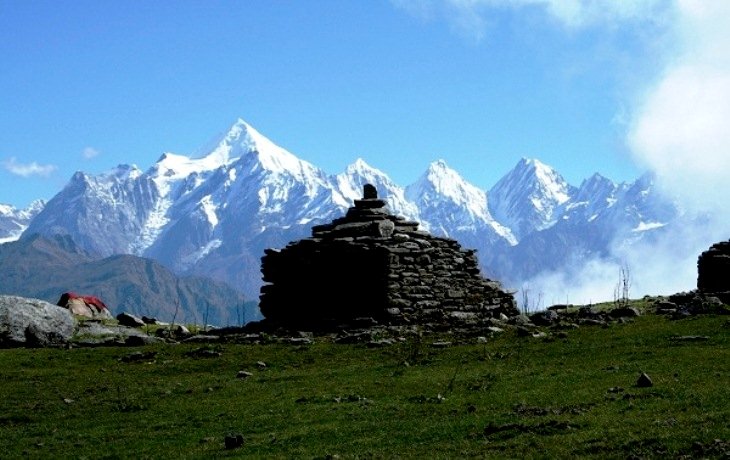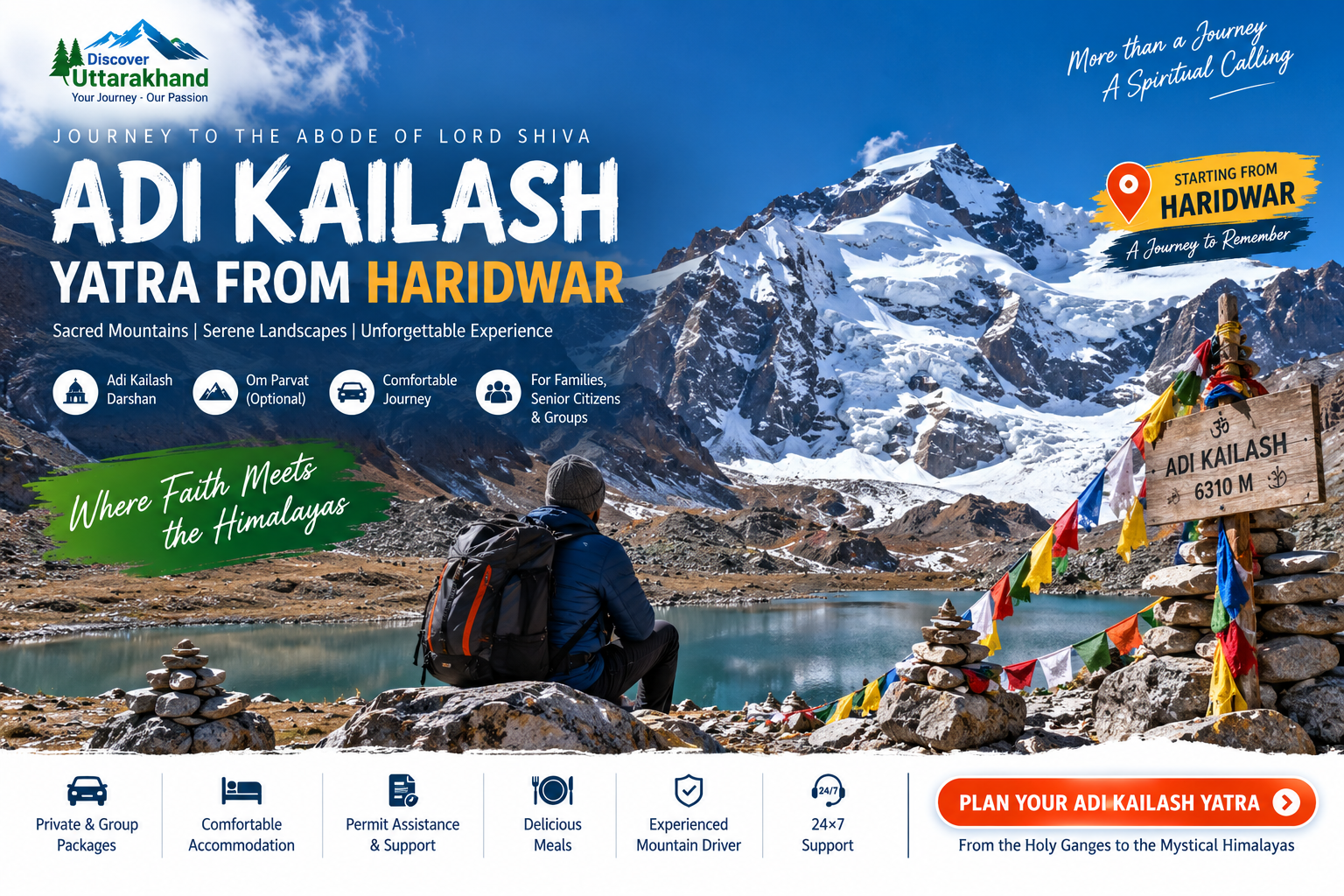
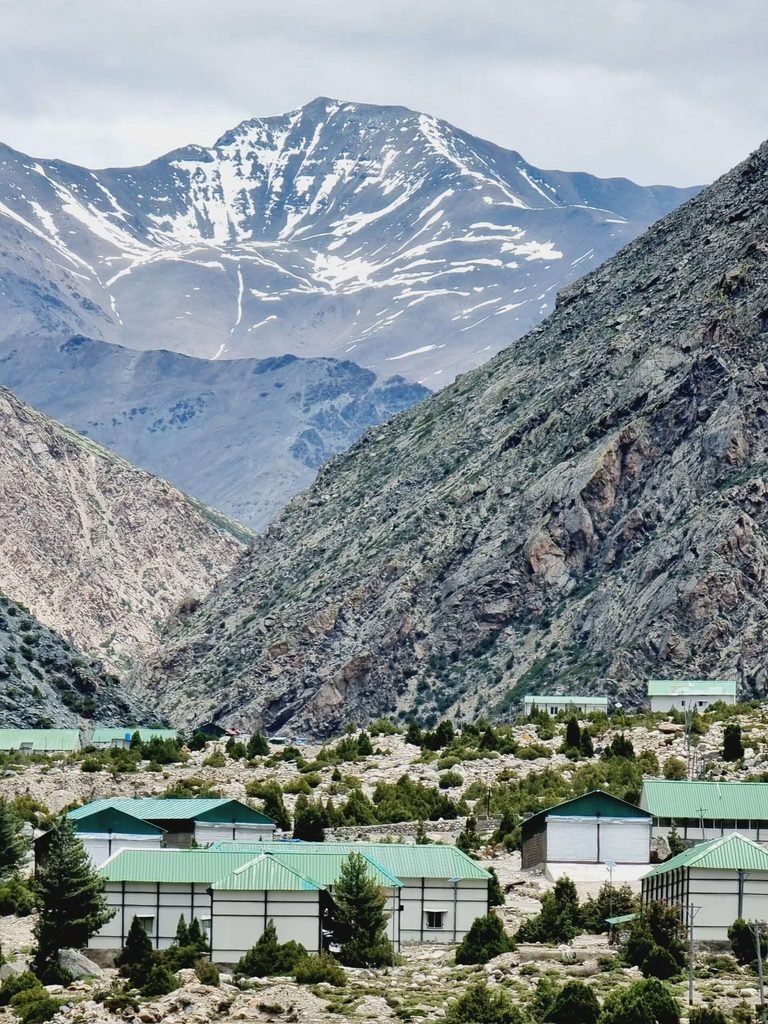
Tucked away in the Uttarkashi district of Uttarakhand, close to the Indo-China border, lies a landscape so stark and otherworldly that it has earned the nickname “the Ladakh of Uttarakhand.” This is the Nelong Valley — a high-altitude cold desert inside Gangotri National Park, closed to civilians for over five decades after the 1962 war and reopened only in 2015. Nearby lies Jadung (Jardaang), the first village on the Indian side of the Tibet border, now being developed as a sustainable tourism destination.
This guide covers everything you need for a Nelong and Jardaang Valley tour package: history, geography, flora and fauna, religious beliefs, permits, how to reach, weather, nearby places, distance from Delhi, and a detailed FAQ.
Key Information at a Glance
History of Nelong and Jardaang Valley
The Ancient Trade Route
Long before the border was sealed, Nelong Valley was a vital corridor on the India–Tibet trade route. The Bhotiya tribe (also called Rongpas) were the original inhabitants, trading blankets, woollens, carpets, tea, tobacco, rice, and metals through a barter system. Goods were exchanged at a large market known as the Bada Haat. Travellers would offer prayers at the Lal Devta temple for a safe journey before crossing into Tibet, and the wooden Gartang Gali bridge was a vital link on this route.
The 1962 War and Closure
Everything changed after the 1962 Sino-Indian War. The valley was closed to civilians, the Bhotiya inhabitants were forced to migrate to Bagori village in Uttarkashi, and the Indo-Tibetan Border Police (ITBP) set up checkpoints in the abandoned villages. For over 53 years, Nelong remained off-limits, its old homes, temples, and trade infrastructure slowly reclaimed by the elements.
Reopening and the Present Day
In 2015, the government reopened Nelong Valley for domestic tourists, and it has since become a hotspot for adventure travellers seeking the “Ladakh of Uttarakhand”. Access remains carefully rationed: Indian nationals only, no overnight stays, a daily visitor cap, and mandatory use of Forest Department vehicles beyond Bhairav Ghati. In 2026, a landmark decision opened the valley for year-round tourism under strict regulations.
Jadung (Jardaang), the first village on the border, was left completely deserted after 1962. Under the central government’s Vibrant Villages Programme, it is now being rebuilt with traditional hill-style homes and homestays, positioning it as a sustainable astro-tourism and border-tourism hub.
Geography of Nelong and Jardaang Valley
Location and Topography
Nelong Valley is a high-altitude cold desert in the Greater Himalaya, located in the Uttarkashi district near the Tibet (China) border. It sits inside Gangotri National Park, about 45 km from the India-China border. The landscape is stark and dramatic: barren brown-grey ridges, a deep blue sky, glacial-fed streams, and a near-total absence of trees beyond a certain altitude.
Jadung lies in the Jadh Ganga valley, one of the major tributaries of the Bhagirathi River, approximately 39 km from Bhaironghati (23 km to the Nelong checkpoint, then a further 16 km) at an elevation of 3,824 metres.
The Gartang Gali Bridge
The Gartang Gali is a historic 150-year-old wooden bridge hanging above the Jadh Ganga River, believed to have been built by Peshawar Pathans on the ancient Tibet trade route. It fell into disuse after 1962 and reopened for tourists after 59 years. The bridge offers a panoramic, bird’s-eye view of the Jadh Ganga and Nelong Valley, and is one of the most photographed spots on the tour.
Flora and Fauna
Flora
Nelong’s high-altitude alpine ecosystem supports hardy, low-growing vegetation. The flora includes rhododendron, juniper, and rare medicinal plants. Because the valley lies in the rain-shadow of the Greater Himalaya, it is a cold desert—sparse vegetation, rocky terrain, and glacial streams dominate the landscape.
Fauna
Despite the harsh conditions, Nelong is a crucial habitat for some of the Himalaya’s most endangered species:
| Category | Species |
|---|---|
| Mammals | Snow Leopard (rare sightings), Himalayan Blue Sheep (Bharal), Musk Deer, Himalayan Tahr |
| Birds | Diverse high-altitude birdlife, including raptors and Himalayan species |
The valley’s protected status within Gangotri National Park is central to the conservation of these species.
Religious Beliefs and Significance
The Lal Devta Temple
The Lal Devta temple is the most significant religious site associated with Nelong. On the ancient trade route, travellers would offer prayers here for a safe journey before crossing into Tibet. The temple remains a silent witness to the valley’s trading past and is an important cultural stop on the tour.
The Sacred Landscape
The broader region is part of the Garhwal cultural landscape, home to the Bhotiya community with unique trans-Himalayan cultural ties. The valley’s proximity to Gangotri — the source of the Ganga and one of the Char Dham shrines — adds to its spiritual significance. The Jadh Ganga, which flows through the valley, is a sacred tributary of the Bhagirathi.
Local Deities and the Bhotiya Heritage
The displaced Bhotiya community’s old homes and temples still stand inside the valley, slowly being reclaimed by the elements. For the Bhotiya people, Nelong is not just a landscape but a lost homeland, and the Lal Devta temple remains a symbol of their enduring cultural memory.
How to Reach Nelong and Jardaang Valley
By Air
The nearest airport is Jolly Grant Airport, Dehradun, approximately 220 km from the valley.
By Train
The nearest major railway stations are Rishikesh and Haridwar, both well connected to Delhi and other major cities.
By Road
Nelong Valley is accessible by road via Harsil and Bhairav Ghati. The most common route from Delhi is:
Delhi → Haridwar (~220 km) → Uttarkashi (~160 km) → Bhairav Ghati (~100 km) → Nelong Valley
Permits: The Critical Step
Nelong Valley is a restricted area. All visitors must obtain a Nelong Valley Inner Line Permit from the SDM/DM office in Uttarkashi. A separate entry permit applies for Gartang Gali. The permit process can take 2–3 days during public holidays, so plan accordingly. Foreign nationals are not permitted to enter the valley.
Local Transport
Beyond Bhairav Ghati, private vehicles are not allowed. Visitors must use Forest Department vehicles, with a maximum of 6 vehicles (24 people) per day.
Weather and Best Time to Visit
Best Season
The best time to visit Nelong Valley is May–June and September–October. During these windows, the weather is pleasant, the skies are clear, and the roads are relatively free of snow and monsoon damage.
Temperature
| Season | Daytime | Night |
|---|---|---|
| Summer (May–June) | 15–25°C (intense thin-atmosphere sun) | Near freezing; single digits |
| Autumn (Sept–Oct) | Comfortable, clear skies | Cold; below freezing at night |
| Winter (Dec–Apr) | Heavy snow; valley closed/impassable | Below -25°C |
Season-by-Season
- Summer (May–June): Best overall window. Pleasant days, but carry warm layers—nights drop to near freezing even in summer.
- Monsoon (July–August): Not recommended. Heavy rain increases landslide and road-blockage risks.
- Autumn (September–October): Excellent for photography and clear views. Post-monsoon clarity makes this many travellers’ favourite window.
- Winter (December–April): The valley is snowbound and generally closed to tourists.
Nearby Places and Attractions
Distance from Delhi and Major Cities
| City | Distance to Nelong Valley | Travel Time |
|---|---|---|
| Delhi | ~480–500 km | 12–14 hours |
| Dehradun | ~195 km | 8–9 hours |
| Haridwar | ~290 km | 9–10 hours |
| Rishikesh | ~270 km | 9–10 hours |
| Uttarkashi | ~100 km | 4–5 hours |
| Harsil | ~42 km | ~90 minutes |
Sample Tour Package Itinerary (4 Days / 3 Nights)
A standard Nelong and Jardaang Valley tour package from Delhi/Dehradun typically follows this structure:
| Day | Route | Highlights |
|---|---|---|
| Day 1 | Delhi/Dehradun → Harsil Valley | Scenic drive via Uttarkashi; Bhagirathi River views; evening nature walk |
| Day 2 | Harsil → Gangotri → Nelong Valley | Gangotri darshan; drive to Nelong Valley (permit required); cold desert landscapes; return to Harsil |
| Day 3 | Harsil → Gartang Gali → Jadung → Harsil | Explore the historic wooden bridge; visit the border village of Jadung; return to Harsil |
| Day 4 | Harsil → Haridwar/Delhi | Return drive |
Package prices typically range from ₹9,500 to ₹14,000 per person, depending on inclusions and group size.
Frequently Asked Questions (FAQs)
Q1: What is Nelong Valley?
A: Nelong Valley is a high-altitude cold desert in the Uttarkashi district of Uttarakhand, inside Gangotri National Park near the Indo-China border. It is often called the “Ladakh of Uttarakhand” for its stark, barren landscape.
Q2: What is Jadung (Jardaang) Valley?
A: Jadung is the first village on the Indian side of the Tibet border, located in the Jadh Ganga valley at ~3,800 m. It was abandoned after the 1962 war and is now being developed as a sustainable tourism destination under the Vibrant Villages Programme.
Q3: Do I need a permit to visit Nelong Valley?
A: Yes. An Inner Line Permit must be obtained from the SDM/DM office in Uttarkashi. The permit process can take 2–3 days during holidays, so plan ahead.
Q4: Can foreign nationals visit Nelong Valley?
A: No. Nelong Valley is open to Indian nationals only.
Q5: Can I stay overnight in Nelong Valley?
A: No. Overnight stays inside the restricted zone are not allowed. Visitors must return to Harsil or Gangotri by evening.
Q6: How many people can visit Nelong Valley per day?
A: Access is capped at approximately 24 visitors per day (6 Forest Department vehicles × 4 persons each).
Q7: What is the best time to visit?
A: May–June and September–October offer the best weather and clear skies. Autumn (September–October) is ideal for photography.
Q8: What is the altitude of Nelong Valley?
A: Approximately 3,475 m (11,400 ft). Jadung village is higher, at around 3,800–3,824 m.
Q9: What wildlife can I see in Nelong Valley?
A: The valley is a habitat for snow leopards, Himalayan blue sheep (bharal), musk deer, and Himalayan tahr, along with diverse high-altitude birdlife.
Q10: What is Gartang Gali?
A: Gartang Gali is a 150-year-old wooden bridge on the ancient Tibet trade route, hanging above the Jadh Ganga River. It reopened for tourists after 59 years and is a highlight of the Nelong tour.
Q11: How far is Nelong Valley from Delhi?
A: Approximately 480–500 km, a 12–14 hour drive via Haridwar and Uttarkashi.
Q12: Is Nelong Valley safe for tourists?
A: Yes, with the required permits and by following all regulations. It is a restricted border area with army presence, so access is controlled and monitored. Travelling with a registered tour operator is strongly recommended.
Q13: What is the religious significance of Nelong Valley?
A: The Lal Devta temple on the ancient trade route was where travellers prayed for safe passage to Tibet. The valley is also part of the sacred Garhwal landscape near Gangotri.
Q14: What should I pack for a Nelong Valley tour?
A: Warm layered clothing, a waterproof shell, an insulated jacket, thermal base layers, trekking boots, sun protection, a first-aid kit, and altitude sickness medication. Nights can be freezing even in summer.
Q15: Can I drive my own vehicle into Nelong Valley?
A: No. Beyond Bhairav Ghati, private vehicles are not allowed. Visitors must use Forest Department vehicles.
Plan Your Nelong & Jardaang Valley Adventure with Discover Uttarakhand
At Discover Uttarakhand, we have been organising Himalayan journeys since 1997. For the Nelong and Jardaang Valley tour, we offer:
✅ Complete permit assistance (Inner Line Permit from SDM Uttarkashi)
✅ Customised 3–5 day packages from Delhi, Dehradun, Haridwar, and Rishikesh
✅ Combined itineraries with Gangotri, Harsil, Dharali, Mukhba, and Gartang Gali
✅ Experienced local guides with knowledge of the border region
✅ Comfortable transport with experienced hill drivers
✅ Quality accommodation in Harsil and Uttarkashi
✅ 24/7 customer support throughout your journey
Recommended Nelong & Jardaang Valley Packages
| Package | Duration | Starting Point | Highlights |
|---|---|---|---|
| Nelong Valley Explorer | 3 Days / 2 Nights | Dehradun | Harsil, Nelong Valley, Gartang Gali |
| Nelong & Jadung Border Tour | 4 Days / 3 Nights | Delhi | Harsil, Gangotri, Nelong, Jadung, Gartang Gali |
| Nelong & Gangotri Combo | 5 Days / 4 Nights | Delhi | Harsil, Gangotri, Nelong, Dharali, Mukhba |
| Nelong Complete Expedition | 6 Days / 5 Nights | Delhi | Harsil, Gangotri, Nelong, Jadung, Gartang Gali, Sattal |
📞 Call / WhatsApp: +91-9997187178, 9760222178, 8171977178
📍 Visit Our Office: Himalayan Colony, opposite DSVV, Haripur Kalan, Haridwar, Motichur Range, Uttarakhand 249411
🌐 Website: www.discover-uttarakhand.com
📧 Email: discoveruttarakhand.mail@gmail.com
Plan your journey to Nelong and Jardaang Valley with proper preparation and respect for this restricted border region. Experience the cold desert of Uttarakhand—where ancient trade routes meet modern adventure, and where the Himalayas reveal a landscape that feels like another world.
Discover Uttarakhand – Your Local Partner for Unforgettable Himalayan Journeys Since 1997 🏔️