Introduction: The Forbidden Himalayan Frontier
Nestled within the Gangotri National Park in Uttarakhand’s Uttarkashi district, Nelong Valley (also spelt Nelang Valley) is a pristine cold desert that remained off-limits to civilians for over five decades after the 1962 Sino-Indian War. Often called the “Ladakh of Uttarakhand,” this secluded valley offers breathtaking landscapes, a rich history, and a unique blend of adventure and serenity at an altitude of approximately 11,000–11,400 feet (3,350–3,475 meters).
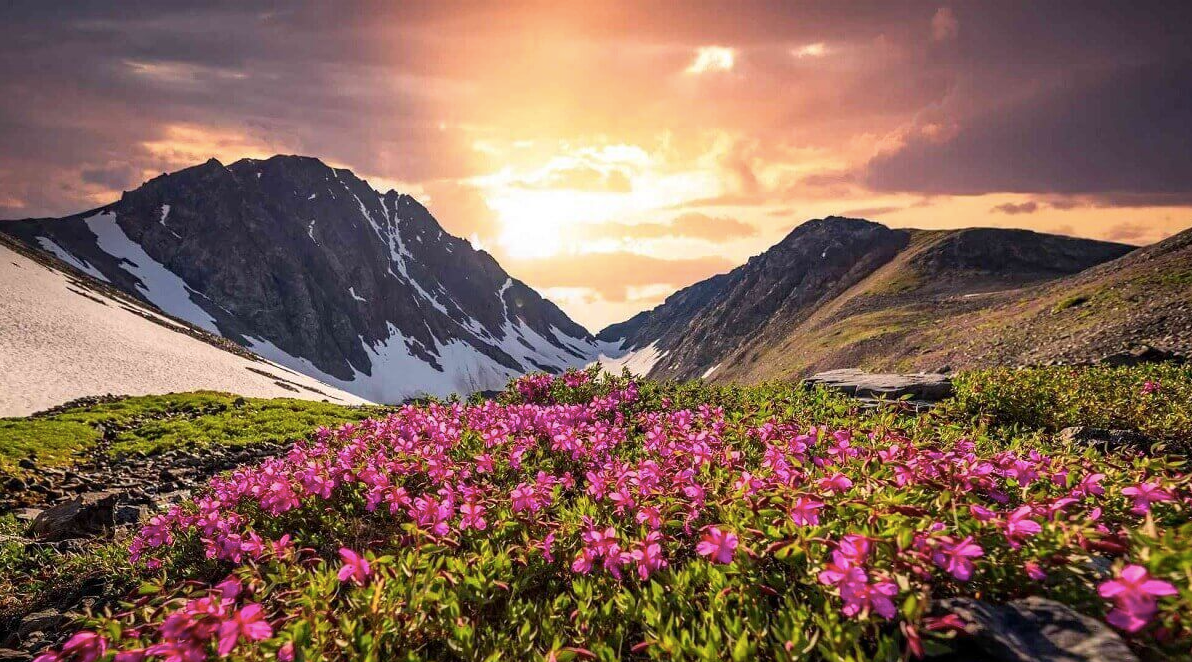
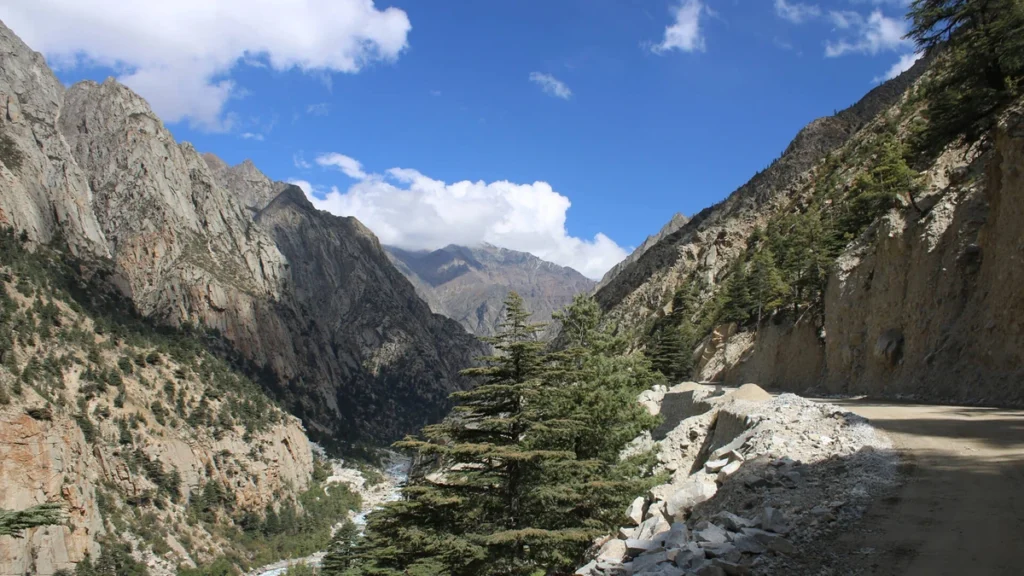
Unlike the crowded hill stations of Mussoorie or Nainital, Nelong Valley remains refreshingly untouched. Its barren yet dramatic terrain, snow-capped peaks, and remnants of an ancient Indo-Tibetan trade route create an atmosphere of raw, untamed beauty that is rare in the Indian Himalayas.
The valley was reopened to Indian tourists in 2015 after being closed since the 1962 war. Even today, access remains highly regulated, adding an air of exclusivity and adventure to any journey here. Only six vehicles with four occupants each are permitted daily, and visits are strictly day trips—no overnight stays are allowed inside the valley.
Whether you are an adventure seeker wanting to walk the historic Gartang Gali, a wildlife enthusiast hoping to spot the elusive snow leopard, a photographer chasing dramatic landscapes, or simply a traveller wanting to experience the “Ladakh of Uttarakhand,” Nelong Valley promises an unforgettable Himalayan experience.
Key Information at a Glance:
History: The Ancient Trade Route Frozen in Time
The Silk Route Connection
Nelong Valley’s history is inseparable from the ancient trans-Himalayan trade routes that connected India with Tibet. Before the 1962 Sino-Indian War, the valley was a vital corridor for merchants carrying wool, salt, spices, and other goods across the high Himalayan passes.
The first big market called “Bada Haat” was established in Uttarkashi, where Indian traders sold Chinese goods. A big trade market fair was held at Bada Haat every year, where Bhotia tribesmen from the district brought different kinds of goods from Tibet to be sold during the fair held in January.
The Bhotia tribes lived in villages of the Jadung and Nelong valleys. They used to trade at Bada Haat in Uttarkashi and exchange goods according to their requirements on a barter system. Items traded included agricultural implements, tobacco, snuff, blankets, tea, coffee, barley, rice, spices, copper products, indigenous medicines, and salt.
The Gartang Gali: A 17th-Century Marvel
The most iconic remnant of this trade route is the Gartang Gali (also spelled Garthang Gali)—a 150-year-old wooden stairway carved along a vertical cliff face above the Jadh Ganga River.
Believed to have been built by the Pathans of Peshawar (in present-day Pakistan) in the 17th century, this ancient bridge served as a crucial trade route between India and Tibet for centuries. Dorjis (Tibetan merchants) frequented the bridge, traversing the picturesque route to reach Uttarkashi to trade local specialties like pashmina, spices, gold, and wool, as well as staples like salt and jaggery.
The 1962 Closure and Abandonment
The Sino-Indian War of 1962 changed everything. After the war, the scenic valley came under the inner line area of Uttarkashi and was closed to civilians. The government moved the four Bhotia community villages—Nelong and Jahan villages—and prohibited the area.
The trade with China from Uttarkashi completely stopped, though it continued from Pithoragarh in the Kumaon region. The ban on trade with Tibet badly affected the local economy, especially that of the Bhotia community.
The Bhotia (Rongba) Tribe
The Bhotias with Mongoloid features are good climbers and can reach high altitudes with ease. Their keen sense of direction helps them in trade, considering the difficult Himalayan terrain.
Jad Bhotias, who mostly lived in Uttarkashi district, used to go to Tibet for trade through passes in the Jadung and Nelong valleys. Besides trade, they had cultural and religious links with Tibet.
The remnants of the border trade can still be seen in the expansive Nelong Valley, including the Gartang Gali bridge and the Lal Devta temple, where the trading Bhotia tribe used to offer prayers before crossing over to Tibet.
The 2015 Reopening
After being closed for 53 years, the valley was thrown open to tourists in May 2015. However, the government has put strict regulations in place to protect both the sensitive border area and the fragile ecosystem.
In 2021, the restored Gartang Gali bridge was reopened to tourists, allowing visitors to walk the same path that merchants used centuries ago.
Geography and Location
Geographic Location
Nelong Valley is situated in the Uttarkashi district of Uttarakhand, within the Gangotri National Park, very close to the Indo-Tibetan border. It is approximately:
- 23 km from Bhaironghati (via a detour)
- 8 km ahead of Gangotri Temple (Bhaironghati is 8 km ahead of Gangotri)
- 100 km from Uttarkashi
- 290 km from Dehradun
Topography
The valley has a cold desert landscape similar to Ladakh, Spiti, and Lahaul . It is characterised by:
- Barren, arid mountains with sparse vegetation
- High-altitude desert terrain surrounded by snow-capped peaks
- The Jadh Ganga River flows through, providing a lush contrast
- Steep cliffs and gorges carved by the river
Strategic Importance
Given its proximity to the Indo-China border, Nelong Valley holds an important strategic location. The Tinker Pass (Tinki La) is a strategic mountain pass near the border that requires special permits and is mostly accessed by trekkers and defence personnel.
Permit Requirements and Travel Guidelines
Due to its proximity to the Indo-China border, access to Nelong Valley is strictly regulated. Here is everything you need to know:
Permit Process
Step-by-Step Process:
- Reach Uttarkashi and write an application to the SDM/DM on plain paper requesting a Restricted Area Permit for Nelong Valley
- Submit copies of photo ID of all travellers (Aadhaar, Passport, Voter ID)
- Furnish details to the Forest Office in Kotbangla
- Submit details to the Intelligence Unit
- After clearance from the Intelligence Unit, the SDM will issue the permit
Eligibility and Restrictions
Important Notes
- The permit process involves multiple approvals; start well in advance
- The valley is located within 25 km of the border
- A medical fitness certificate may also be required
- Photography is generally allowed, but restrictions may apply near military installations
How to Reach Nelong Valley
By Air
Nearest Airport: Jolly Grant Airport, Dehradun (approximately 290 km from Nelong Valley)
| Details | Information |
|---|---|
| Distance | ~290 km |
| Travel Time | 10–12 hours by taxi to Bhaironghati |
| Airlines | Regular flights from Delhi to Dehradun (approx. 1 hour) |
| Onward Travel | Taxi to Bhaironghati via Uttarkashi |
By Train
Nearest Railway Stations:
| Station | Distance | Travel Time | Connectivity |
|---|---|---|---|
| Rishikesh | 284 km | 9–10 hours by road | Most preferred |
| Dehradun | 259 km | 9–10 hours by road | Well-connected |
Popular Trains from Delhi to Haridwar/Rishikesh:
| Train Name | From Delhi | Departure | Arrival | Destination |
|---|---|---|---|---|
| Shatabdi Express | Delhi | 6:00 AM | 11:40 AM | Haridwar |
| Jan Shatabdi | Delhi | 3:20 PM | 9:00 PM | Haridwar |
| Mussoorie Express | Delhi | 10:05 PM | 5:30 AM | Haridwar |
From the railway station, taxis are available for the 9–10 hour drive to Bhaironghati via Uttarkashi.
By Road
Nelong Valley is accessible by road from Uttarkashi and Gangotri :
Important Route Details:
- From Bhaironghati, take the 25 km detour to Nelong Valley
- The roads are rugged; a sturdy SUV is essential
- The final stretch includes the famous Pagal Nala water crossing, known for unpredictable flash floods
- Hawa Bend is another notable spot with exceptionally strong winds
Distances from Major Cities
| City | Distance (km) |
|---|---|
| Delhi | 510 |
| Dehradun | 290 |
| Rishikesh | 284 |
| Haridwar | 290 |
| Uttarkashi | 100 |
| Gangotri | 23 |
| Bhaironghati | 0 (detour start) |
| Harsil | ~45 |
Weather and Best Time to Visit
Climate Overview
Nelong Valley experiences a harsh, cold desert climate. Winters are extremely cold with heavy snowfall, and the valley is inaccessible for several months.
Month-by-Month Guide
Best Time to Visit by Season
Valley Opening Period
The valley is open for tourism only from May to November (approximately six months). The valley closes after Diwali (October/November) and reopens in April/May.
Why Avoid Monsoon
Travelling to Nelong Valley during the monsoon months (July–August) is not advised because the entire region remains prone to unpredictable landslides and road blockages.
Top Attractions in and Around Nelong Valley
1. Gartang Gali – The Historic Wooden Stairway
Gartang Gali is the crown jewel of Nelong Valley and the primary reason most visitors make the journey.
Quick Facts:
| Aspect | Details |
|---|---|
| Age | 150+ years (built in 17th century) |
| Length | Approximately 500 meters |
| Altitude | 11,000 feet |
| Reopened | 2021 (after 59 years) |
| Daily Visitors | Limited to 10 tourists at a time |
What to Expect:
- A narrow wooden staircase carved along a vertical cliff face
- Stunning panoramic views of the Jadh Ganga River and Nelong Valley below
- A thrilling, adventurous walk that tests your nerves
- The bridge snakes along a rocky mountain, built by the Pathans of Peshawar
Tips:
- Start early in the morning to avoid afternoon winds
- Wear sturdy shoes with a good grip
- Carry water and light snacks
- Follow all safety instructions; the path can be slippery
2. Jadh Ganga River
The Jadh Ganga River flows through the valley before merging with the Bhagirathi River. This Himalayan river provides a lush contrast to the cold desert terrain and is ideal for landscape photography.
3. Hawa Bend
Named for its exceptionally strong winds, Hawa Bend offers dramatic views of the mountain slopes and gorges. It is a popular photo stop en route to Nelong.
4. Pagal Nala
Pagal Nala (literally “Crazy Stream”) is a notorious water crossing known for unpredictable flash floods. It adds a sense of thrill for adventure seekers and is best crossed early in the day before water levels rise.
5. Rangtham Peak Viewpoint
This viewpoint offers unobstructed views of snow-clad Himalayan peaks. It is a short detour from the main route and is highly recommended for photographers and nature lovers.
6. Tinker Pass (Tinki La)
Tinker Pass is a strategic mountain pass near the Indo-China border. It requires special permits and is mostly accessed by trekkers and defence personnel. It symbolises the rugged remoteness of the valley.
7. Lal Devta Temple
The Lal Devta temple is a small temple where the trading Bhotia tribe used to offer prayers before crossing over to Tibet. It is a remnant of the valley’s rich trading history.
8. Gangotri Temple
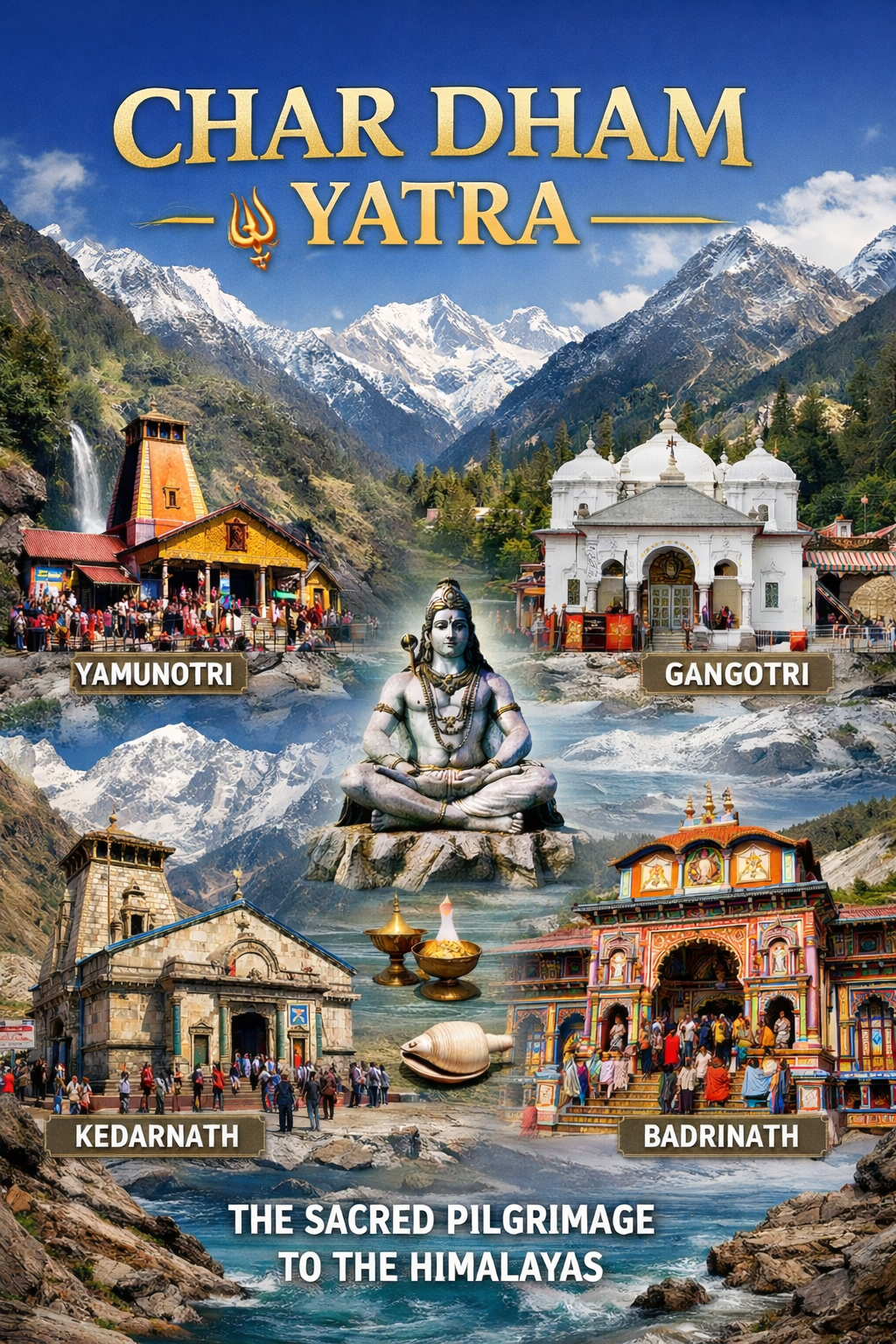
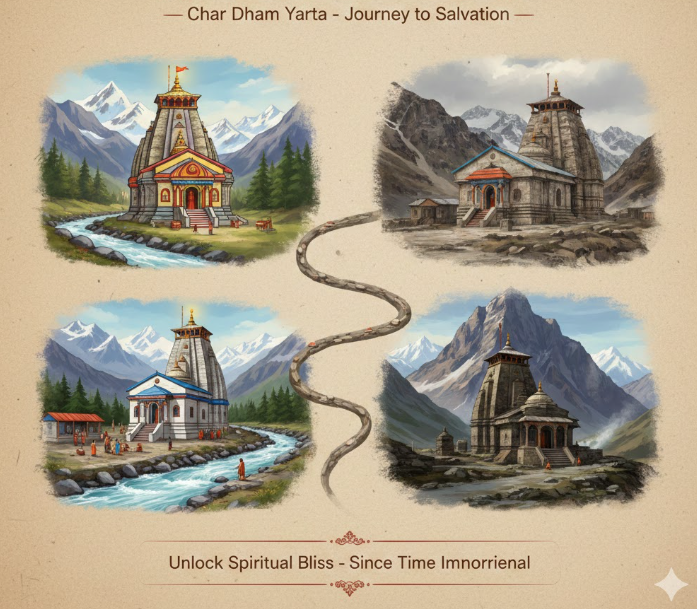
Located just 23 km from Nelong (via Bhaironghati), Gangotri Temple is one of the four Char Dham pilgrimage sites. It makes for a perfect spiritual and scenic extension to your journey.
9. Harsil Valley
Harsil Valley is a serene Himalayan hamlet known for apple orchards, pine forests, and the Bhagirathi River . It offers homestays, basic lodging, and local cuisine—a great night halt before visiting Nelong.
10. Gaumukh Glacier
The source of the Ganges River, Gaumukh Glacier, is located about 38 km from Nelong Valley . This is a trekking destination for more adventurous travellers.
Flora and Fauna: A Biodiversity Hotspot
Nelong Valley is part of Gangotri National Park, making it a protected area rich in biodiversity.
Wildlife
Birdlife
The valley is home to various Himalayan bird species, including:
- Himalayan Monal (state bird of Uttarakhand)
- Golden Eagles
- Vultures
- Snow Partridges
Cold Desert Ecosystem
The valley’s unique cold desert ecosystem supports specialised flora adapted to harsh, arid conditions. The stark beauty of the barren landscape contrasts with the vibrant blue of the Jadh Ganga River, creating a photographer’s paradise.
Adventure Activities
Trekking
While overnight stays and camping are prohibited inside the valley, day treks are possible :
| Activity | Details |
|---|---|
| Gartang Gali Trek | Short trek along the historic wooden stairway |
| Nelong Valley Exploration | Walking through the cold desert landscape |
| Rangtham Peak Approach | Short detour for peak views |
Photography
Nelong Valley is a photographer’s dream :
- Best Spots: Gartang Gali (cliffside views), Jadh Ganga River, Hawa Bend, Rangtham Peak Viewpoint
- Best Time: Early morning for golden light; post-monsoon for clearest skies
- Gear: Wide-angle lens for landscapes, telephoto lens for wildlife
Birdwatching
The valley’s location within Gangotri National Park makes it a haven for birdwatchers. Early morning walks offer the best chances to spot Himalayan bird species.
Accommodation Options
No overnight stays are permitted inside Nelong Valley due to its status as a sensitive border area and protected national park.
Where to Stay
In Harsil (Recommended Base)
| Accommodation Type | Price Range (per night) | Features |
|---|---|---|
| Homestays | ₹1,500–₹3,000 | Authentic experience, home-cooked meals |
| Guesthouses | ₹1,000–₹2,000 | Basic amenities |
| GMVN Tourist Rest House | ₹1,500–₹2,500 | Government-run, reliable |
In Uttarkashi
| Category | Price Range (per night) | Features |
|---|---|---|
| Mid-Range Hotels | ₹2,000–₹4,000 | Comfortable rooms, hot water |
| Budget Hotels | ₹800–₹1,800 | Basic amenities |
| Dharamshalas | ₹400–₹1,000 | Simple, spiritual atmosphere |
Booking Tips
- Book accommodations in Harsil or Uttarkashi well in advance for the season (May–June, September–October)
- Most visitors stay in Harsil and make a day trip to Nelong Valley
- Carry cash—card facilities may be limited in Harsil
Sample Itinerary
4-Day Nelong Valley & Gangotri Explorer (From Dehradun)
Day 1: Dehradun to Uttarkashi
- Morning: Depart from Dehradun early (by 6:00 AM)
- En route: Pass through Mussoorie and Chamba
- Afternoon: Arrive in Uttarkashi (6–7 hours), check into the hotel
- Evening: Visit Vishwanath Temple
- Night: Overnight in Uttarkashi
Day 2: Uttarkashi to Nelong Valley Day Trip
- Morning: Obtain permit (if not already arranged), drive to Bhaironghati (3–4 hours)
- Late Morning: Detour to Nelong Valley (25 km)
- Afternoon: Explore Gartang Gali, Hawa Bend, Jadh Ganga River
- Evening: Return to Uttarkashi
- Night: Overnight in Uttarkashi
Day 3: Gangotri Excursion
- Morning: Drive to Gangotri Temple (100 km, 3–4 hours)
- Afternoon: Temple darshan, Bhagirathi River
- Evening: Return to Uttarkashi
- Night: Overnight in Uttarkashi
Day 4: Uttarkashi to Dehradun
- Morning: Drive back to Dehradun (6–7 hours)
- Afternoon: Depart for onward journey
5-Day Extended Itinerary
Day 1: Delhi → Dehradun → Uttarkashi (drive)
Day 2: Uttarkashi → Nelong Valley → Gartang Gali → Harsil (overnight Harsil)
Day 3: Harsil → Gangotri → return to Harsil (overnight Harsil)
Day 4: Harsil → Uttarkashi, explore Vishwanath Temple (overnight in Uttarkashi)
Day 5: Uttarkashi → Dehradun → Delhi
Travel Tips and Important Information
Before You Go
- Permits: Start the permit application process well in advance—it involves multiple approvals
- Group Travel: Solo travel is not recommended; a minimum group of 4–6 is required
- Vehicle: Use a sturdy SUV; small cars are not suitable for the rugged terrain
- Cash: ATMs are limited beyond Uttarkashi; carry sufficient cash
- Check Weather: Avoid monsoon (July–August); the valley closes in winter
- Medical Certificate: A fitness certificate may be required
During Your Visit
- Start Early: Begin your day trip early to complete the valley exploration before afternoon weather changes
- Dress in Layers: Even in summer, the high altitude means cool temperatures; winter requires heavy woollens
- Stay Hydrated: Carry water—dehydration worsens altitude effects
- Respect Restrictions: Do not attempt overnight stays; follow all guidelines
- Listen to Guides: Local guides are essential for navigation and safety
- Be Patient: The permit process and daily limits mean you may need to wait
Health and Safety
- Altitude Awareness: At 11,000+ feet, altitude sickness is possible. Stay hydrated and take it easy
- Pagal Nala Crossing: Cross early in the day before water levels rise
- Hawa Bend: Be cautious of strong winds
- Medical Facilities: Basic facilities in Uttarkashi; for serious emergencies, go to Dehradun
Packing Checklist
| Category | Items |
|---|---|
| Clothing | Valid ID proof (Aadhaar/Passport), permit copies, and medical fitness certificate |
| Gear | Trekking poles, headlamp/torch with extra batteries, power bank, reusable water bottle, sunscreen, sunglasses, lip balm |
| Documents | Valid ID proof (Aadhaar/Passport), permit copies, medical fitness certificate |
| Health | Personal medications, first-aid kit, altitude sickness medication (consult doctor), ORS packets |
| Other | Cash (no ATMs beyond Uttarkashi), energy bars, camera, extra batteries |
Photography Tips
- Best Spots: Gartang Gali (cliffside views), Hawa Bend (dramatic landscapes), Jadh Ganga River (contrast shots), Rangtham Peak Viewpoint (peak panoramas)
- Best Time: Early morning for clear mountain views; golden hour (4:00–5:30 PM) for landscapes
- Camera Gear: Carry extra batteries—cold drains them quickly; telephoto lens for wildlife
- Note: Restrictions may apply near military installations
Nearby Places to Visit
Harsil Valley – The Ideal Base
Harsil is a serene Himalayan hamlet known for apple orchards, pine forests, and the Bhagirathi River . It offers homestays, basic lodging, and local cuisine—making it a great night halt before visiting Nelong.
Gangotri – The Sacred Extension
Gangotri Temple, one of the Char Dham, is just 23 km from Nelong . Many visitors combine the Nelong Valley trip with a pilgrimage to Gangotri.
Frequently Asked Questions (FAQs)
Q1: Why is Nelong Valley famous?
A: Nelong Valley is famous for its cold desert landscape (often called the “Ladakh of Uttarakhand”), the historic Gartang Gali wooden bridge, and its history as an ancient Indo-Tibetan trade route.
Q2: What is the best time to visit Nelong Valley?
A: The best time to visit is May to June (summer) and September to October (post-monsoon). The valley remains closed from November to April due to heavy snowfall.
Q3: Do I need a permit to visit Nelong Valley?
A: Yes, an Inner Line Permit is mandatory. Permits are issued by the SDM/DM office in Uttarkashi and require multiple approvals.
Q4: Can foreigners visit Nelong Valley?
A: No, foreign tourists are currently not permitted due to the valley’s proximity to the Indo-China border.
Q5: Is camping or overnight stay allowed in Nelong Valley?
A: No, camping and overnight stays are not allowed inside the valley due to its status as a sensitive border area and protected national park.
Q6: What is Gartang Gali?
A: Gartang Gali is a 150-year-old wooden stairway carved along a vertical cliff face, built by Pathans of Peshawar in the 17th century. It was an ancient trade route between India and Tibet and reopened to tourists in 2021 .
Q7: How far is Nelong Valley from Delhi?
A: The distance is approximately 510 km, with a travel time of 14–16 hours by road.
Q8: How do I reach Nelong Valley?
A: By road to Bhaironghati (via Uttarkashi and Gangotri), then a 25 km detour. The nearest airport is Dehradun (~290 km), and the nearest railway station is Rishikesh (~284 km) .
Q9: What is the altitude of Nelong Valley?
A: Nelong Valley is situated at an altitude of approximately 3,350–3,475 meters (11,000–11,400 feet) above sea level.
Q10: What is the daily limit of visitors to Nelong Valley?
A: Only 6 vehicles with 4 occupants each are permitted inside the valley per day.
Q11: What wildlife can be seen in Nelong Valley?
A: The valley is home to snow leopards, Himalayan blue sheep (bharal), musk deer, and various Himalayan birds.
Q12: What is Pagal Nala?
A: Pagal Nala is a notorious water crossing known for unpredictable flash floods. It adds a sense of thrill for adventure seekers and is best crossed early in the day.
Q13: Is there a mobile network in Nelong Valley?
A: Mobile connectivity is very poor to non-existent in the valley. BSNL works in some pockets. Inform family of your travel plans in advance .
Q14: How many days are enough for Nelong Valley?
A: 1 day is sufficient for the Nelong Valley day trip. For a complete experience including Gangotri and Harsil, allow 3–4 days.
Q15: What is the distance from Nelong Valley to Gangotri?
A: Nelong Valley is approximately 23 km from Gangotri Temple (via Bhaironghati).
Plan Your Nelong Valley Journey with Discover Uttarakhand
At Discover Uttarakhand, we’ve been organising unforgettable journeys across Devbhoomi since 1997. As a trusted local operator with deep knowledge of the Garhwal Himalayas and restricted border areas, we offer:
- ✅ Customised Nelong Valley tour packages (4 to 6 days)
- ✅ Complete permit assistance (Inner Line Permit processing)
- ✅ Combined itineraries covering Nelong, Gangotri, and Harsil
- ✅ Comfortable transport with experienced hill drivers (SUVs only)
- ✅ Verified accommodations in Harsil and Uttarkashi
- ✅ Local guides for Gartang Gali and valley exploration
- ✅ 24/7 customer support throughout your journey
Recommended Nelong Valley Packages
| Package | Duration | Starting Point | Highlights |
|---|---|---|---|
| Nelong Valley Explorer | 3 Nights / 4 Days | Dehradun | Gartang Gali, Jadh Ganga, Harsil |
| Nelong & Gangotri Yatra | 4 Nights / 5 Days | Dehradun | Nelong Valley, Gangotri Temple, Harsil |
| Complete Garhwal Adventure | 5 Nights / 6 Days | Delhi | Nelong Valley, Gangotri, Uttarkashi, Harsil |
Book your Nelong Valley journey today and discover the hidden “Ladakh of Uttarakhand.”
📞 Call / WhatsApp: +91-9997187178, 9760222178, 8171977178
📍 Visit Our Office: Himalayan Colony, opposite DSVV, Haripur Kalan, Haridwar, Motichur Range, Uttarakhand 249411
🌐 Website: www.discover-uttarakhand.com
📧 Email: info@discover-uttarakhand.com
Discover Uttarakhand – Your Local Partner for Unforgettable Himalayan Journeys Since 1997 🏔️