Overview: The Ancient Temple Town of Kumaon
Tucked away on the eastern banks of the Ramganga River in the Pithoragarh district, Thal is one of Kumaon’s oldest and most culturally rich towns. Situated at an elevation of approximately 1,600 metres (5,249 feet) above sea level, this small town is a hidden gem that offers a perfect blend of spirituality, history, and natural beauty.
Thal is one of the thirteen tehsils of Pithoragarh district, constituted in 2014 from 114 villages. Historically, it has been a centre for local trade for nearby settlements like Didihat, Munsiari, Chaukori, and Dharamghar since antiquity. The town is also renowned for its 9th-century Shiva temple on the banks of the Ramganga and the unique rock-cut Ek Hathiya Dewal temple.
The name “Thal” is derived from the local legend of the Baleshwar Mahadev Temple, where it is believed that Lord Shiva appeared in his “Bala” (youthful) form to the Vanar King Bali. Today, this town remains a serene pilgrimage site and a base for travellers exploring the eastern Kumaon Himalayas.
Whether you are a pilgrim seeking divine blessings, a history enthusiast exploring ancient temples, or a nature lover looking for a peaceful escape, Thal promises a journey into the heart of Kumaon’s spiritual and cultural heritage.
Key Information at a Glance
History of Thal
An Ancient Trade Hub
Thal is among the oldest towns in Pithoragarh district and has been a centre for local trade for nearby settlements since antiquity. It was a crucial stop on the ancient “Salt Route” that connected India and Tibet, facilitating the trade of salt and other goods. Merchants and travellers would pass through this town on their way to Munsiari, Chaukori, and beyond.
The Chand and Katyuri Dynasties
The region is dotted with ancient temples and archaeological sites that tell stories of the Chand and Katyuri dynasties. The Baleshwar Mahadev Temple was established in the 12th century during the rule of the Chand dynasty, under King Udyot Chand. In ancient times, the sacred pilgrimage to Kailash Mansarovar used to begin from this very place. Later, in the 16th century, the temple was expanded.
A Centre of Local Governance
Thal was a block of the Almora district from 1957 to 1962. Since 30 September 2014, it has been a tehsil of the Pithoragarh district, constituted from 114 villages that were earlier part of Berinag and Didihat tehsils.
Geography of Thal
Location and Topography
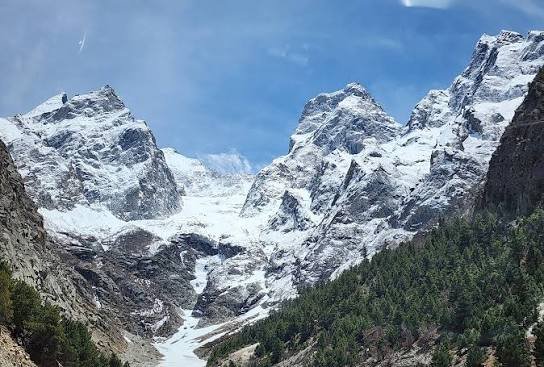
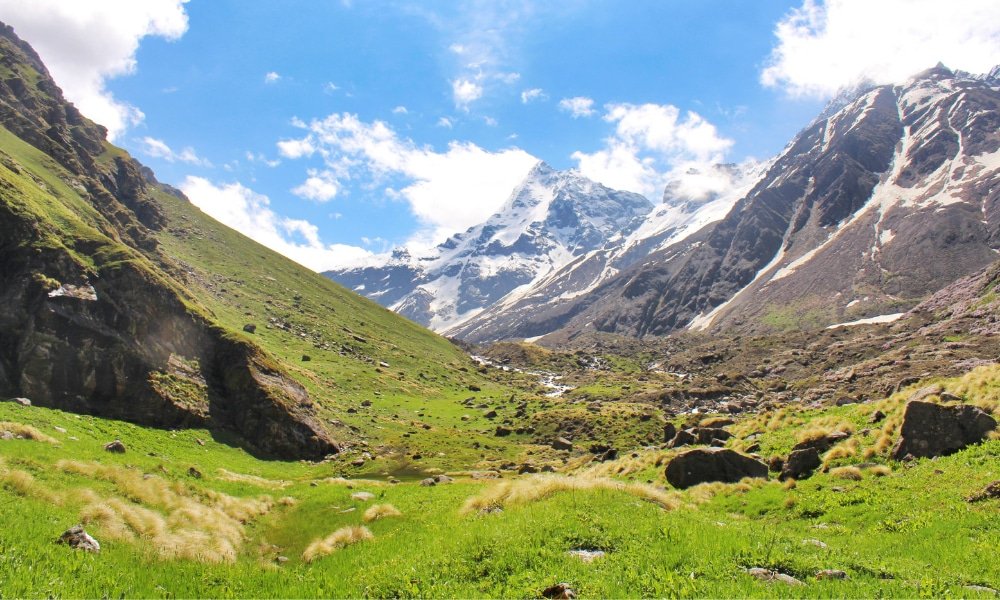
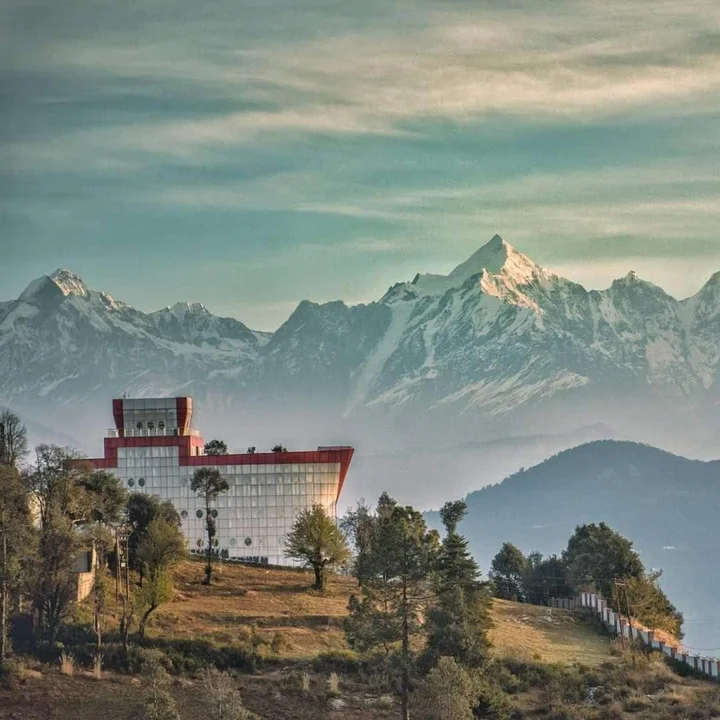
Thal is located in the Pithoragarh district of Uttarakhand, in the Kumaon region of the Himalayas. It is situated on the eastern bank of the Ramganga River, near its sacred confluence. The town is surrounded by dense forests and high mountains, offering stunning views of Himalayan peaks like Nanda Devi, Panchachuli, and Trishul.
| Feature | Details |
|---|---|
| Coordinates | 29°49′35″N, 80°08′27″E |
| Elevation | ~1,600 m (5,249 ft) |
| River | Ramganga River |
| Surrounding Peaks | Nanda Devi, Panchachuli, Trishul |
The Ramganga River
The Ramganga River flows through the heart of Thal, providing opportunities for angling, including trout and mahseer fish. The river’s clear waters and the surrounding lush valleys add to the town’s serene charm.
Religious Beliefs and Sacred Sites
Baleshwar Mahadev Temple
The Baleshwar Mahadev Temple is the most significant religious site in Thal. Located on the eastern bank of the Ramganga River near its sacred confluence, this temple is dedicated to Lord Shiva.
Key Features:
- Deity: Lord Shiva (in his youthful “Bala” form)
- Age: Established in the 12th century during the Chand dynasty
- Architecture: Built in the Nagar style of architecture, one of the oldest temples in the Kumaon region
- Mythological Significance: Mentioned in the Skanda Purana (Manas Khand, 108th chapter)
- Spiritual Belief: It is believed that visiting this temple and offering prayers here gives devotees the same spiritual benefits as visiting Kashi (Varanasi)
- Festivals: Mahashivratri, Uttarayani, Chaitra Purnima Mela, Kanwad Yatra, Harela Festival, Bhai Tika on Deepawali
The Legend of Baleshwar Mahadev:
According to religious belief, in the Treta Yuga, the Vanar King Bali performed intense penance standing on one leg at this sacred confluence to please Lord Shiva. Impressed by his devotion, Lord Shiva appeared before him in the form of a child and then merged into a self-manifested Shiva Lingam. Because of this divine event, the temple became famous as Baleshwar (Bali-Eshwar) Temple.
Ek Hathiya Dewal Temple
The Ek Hathiya Dewal Temple is a unique rock-cut temple located near Amiya village, about 2 km off the main motor road from Thal. It is believed to have been crafted by a one-armed artisan, from which it derives its name. The temple is dedicated to a local deity and is a fascinating example of ancient rock-cut architecture.
Kot Gari Devi Temple
Located about 9 km from Thal, the Kot Gari Devi Temple is revered as a place of justice for the oppressed and victims of injustice. It is an important pilgrimage site for the local community.
Thal Kedar Temple
Thal Kedar is a sacred temple of Lord Shiva near Pithoragarh, situated on a hilltop. The temple can be reached by trekking from Pithoragarh, Nakuleshwar Temple, and Aincholi. The journey involves trekking through beautiful forests and offers mesmerising panoramic views of the valley below.
Flora and Fauna of Thal
Flora — A Botanical Wonderland
Thal is surrounded by dense forests and lush greenery. The landscape features:
- Rhododendron forests — blooming in vibrant colours during spring
- Oak and pine forests — typical of the Kumaon Himalayas
- Terraced farms — adding to the scenic beauty
- Wildflowers — enhancing the natural beauty of the region
Fauna — Wildlife in the Region
The Ramganga River provides opportunities for angling, including trout and mahseer fish. The surrounding forests are home to various bird species and small mammals typical of the Kumaon region.
How to Reach Thal
By Air — Nearest Airports
| Airport | Distance | Details |
|---|---|---|
| Pantnagar Airport | ~200+ km | Nearest airport; connected to Delhi |
| Indira Gandhi International Airport, Delhi | ~400+ km | Major international hub |
From Pantnagar Airport:
- Hire a taxi to Thal (approx. 6–7 hours)
By Train — Nearest Railway Stations
| Station | Distance | Details |
|---|---|---|
| Kathgodam Railway Station | ~180+ km | Nearest major station; well-connected to Delhi |
| Haldwani Railway Station | ~185 km | Alternative station |
From Kathgodam to Thal:
- Hire a taxi or take a bus to Pithoragarh, then continue to Thal
By Road (Most Popular)
| Route | Distance | Travel Time |
|---|---|---|
| Delhi → Thal | ~400–450 km | 10–12 hours |
| Pithoragarh → Thal | ~73 km | 2–3 hours |
| Didihat → Thal | ~29 km | 1 hour |
Route from Delhi:
Delhi → Moradabad → Rampur → Haldwani → Kathgodam → Almora → Bageshwar → Pithoragarh → Didihat → Thal
Transport Options:
- Private Taxi: Most convenient and flexible
- State Transport Buses: Available from Delhi, Kathgodam, and Pithoragarh
- Self-Drive: Well-maintained roads; drive cautiously on hilly stretches
Distance from Major Cities
| City | Distance to Thal | Travel Time |
|---|---|---|
| Delhi | ~400–450 km | 10–12 hours |
| Pithoragarh | ~73 km | 2–3 hours |
| Didihat | ~29 km | 1 hour |
| Munsiari | ~60 km | 2 hours |
| Chaukori | ~40 km | 1.5 hours |
| Kathgodam | ~180 km | 5–6 hours |
Weather and Best Time to Visit
Climate Overview
Thal enjoys a pleasant climate throughout the year, making it an ideal destination for trekking and nature walks. The town’s elevation of approximately 1,600 metres provides a comfortable escape from the plains’ heat.
Seasonal Breakdown
| Season | Months | Temperature | Conditions | Suitability |
|---|---|---|---|---|
| Spring | March–April | 12°C – 25°C | Pleasant, blooming rhododendrons | ⭐ Best |
| Summer | May–June | 15°C – 28°C | Warm, comfortable, clear skies | ⭐ Best |
| Monsoon | July–September | 18°C – 25°C | Moderate rainfall, lush greenery | ⭐ Moderate |
| Autumn | October–November | 10°C – 22°C | Crisp air, clear views, golden landscapes | ⭐ Best |
| Winter | December–February | 5°C – 15°C | Cold, chilly evenings | ⭐ Moderate |
Best Time to Visit by Season
| Season | Months | Suitability | Best For |
|---|---|---|---|
| Spring | March–April | ⭐ Best | Blooming rhododendrons, pleasant weather |
| Summer | May–June | ⭐ Best | Clear skies, comfortable temperatures |
| Autumn | October–November | ⭐ Best | Crisp air, golden landscapes |
| Monsoon | July–September | ⭐ Moderate | Lush greenery, but slippery roads |
| Winter | December–February | ⭐ Moderate | Cold weather, fewer crowds |
Travel Tips for Weather
- Carry warm clothing, as temperatures can plummet, especially during the evenings
- Monsoon travel: Check road conditions before planning
- Winter travel: Carry heavy woollens
Packing Guide
| Category | Items |
|---|---|
| Clothing | Light cotton clothes (summer), light woolens (autumn), comfortable walking shoes |
| Essentials | Sunscreen, sunglasses, hat, power bank, camera |
| Documents | Valid ID proof (Aadhaar, Passport) |
| Seasonal | Raincoat (monsoon), heavy woollens (winter) |
Nearby Places to Visit
Things to Do in Thal
1. Visit Baleshwar Mahadev Temple
The highlight of any visit to Thal is seeking blessings at the ancient Baleshwar Mahadev Temple. Learn about the fascinating legend of King Bali and Lord Shiva, and witness the 12th-century Nagar-style architecture.
2. Explore Ek Hathiya Dewal Temple
Visit the unique rock-cut temple, believed to have been carved by a one-armed artisan.
3. Experience the Ramganga River
Enjoy the serene riverside setting of the Ramganga River. The river offers opportunities for angling, including trout and mahseer fish.
4. Discover the Ancient Trade Route
Walk the same paths that merchants once used on the ancient “Salt Route” connecting India and Tibet.
5. Photography
From the ancient temples to the scenic river views and Himalayan peaks, Thal offers endless photography opportunities.
6. Trekking
Thal serves as a base for exploring the surrounding hills and trekking to Thal Kedar Temple.
7. Attend Local Festivals
If you are visiting during festival time, experience the vibrant celebrations of Mahashivratri, Chaitra Purnima Mela, Kanwad Yatra, and Harela Festival.
Accommodation Options
| Type | Location | Features | Price Range |
|---|---|---|---|
| Guesthouses | Thal | Basic amenities, comfortable stay | ₹800 – ₹2,000 |
| Hotels | Didihat, Berinag, Chaukori | Wide range from budget to mid-range | ₹1,500 – ₹5,000 |
| Homestays | Thal, nearby villages | Authentic local experience | ₹800 – ₹2,500 |
Discover Uttarakhand Recommendation: Thal has limited accommodation options. For more choices, consider staying in Didihat (29 km), Berinag (7 km), or Chaukori (40 km).
Local Cuisine — A Taste of Kumaon
Thal offers authentic Kumaoni cuisine, reflecting the agricultural traditions of the region.
Must-Try Kumaoni Dishes
| Dish | Description |
|---|---|
| Aloo Ke Gutke | Spiced fried potatoes, a Kumaoni speciality |
| Bhatt Ki Churkani | Black soybean curry |
| Chainsoo | Protein-rich black gram curry |
| Mandua Roti | Finger millet flatbread |
| Gahat Ki Dal | Horse gram lentil soup |
| Bal Mithai | Famous chocolate-like sweet from Kumaon |
Where to Eat
- Local eateries — simple, authentic Kumaoni meals
- Didihat and Berinag — wider range of restaurants
Frequently Asked Questions (FAQs)
General Questions
Q1: What is Thal famous for?
Thal is famous for the ancient Baleshwar Mahadev Temple (12th century, Nagar style), the unique rock-cut Ek Hathiya Dewal Temple, its location on the Ramganga River, and its history as a centre for local trade since antiquity.
Q2: What is the altitude of Thal?
Thal is situated at an elevation of approximately 1,600 metres (5,249 feet) above sea level.
Q3: What is the best time to visit Thal?
The best time to visit is from March to June and September to November when the weather is pleasant and ideal for sightseeing and temple visits.
Q4: How far is Thal from Delhi?
Thal is approximately 400–450 km from Delhi, with a driving time of about 10–12 hours.
Q5: What is the nearest railway station to Thal?
The nearest railway station is Kathgodam Railway Station, approximately 180+ km away.
Q6: What is the nearest airport to Thal?
The nearest airport is Pantnagar Airport, approximately 200+ km away.
Q7: What languages are spoken in Thal?
The official language is Hindi. The regional language is Kumaoni. English is understood in tourist areas.
Q8: What is the significance of Baleshwar Mahadev Temple?
The temple is dedicated to Lord Shiva, who appeared in his youthful form to King Bali. It is believed to grant the same spiritual benefits as visiting Kashi (Varanasi). It is mentioned in the Skanda Purana.
Q9: Is Thal a tehsil?
Yes, Thal has been a tehsil of Pithoragarh district since 30 September 2014, constituted from 114 villages.
Travel Logistics
Q10: How can I reach Thal from Delhi?
You can reach Thal by:
- Road: ~400–450 km, 10–12 hours via NH-9
- Train: Take a train to Kathgodam (~180 km) and then a taxi/bus
- Air: Fly to Pantnagar (~200 km) and then a taxi/bus
Q11: Is there accommodation available in Thal?
Accommodation options are limited in Thal itself. For more choices, consider staying in Didihat (29 km), Berinag (7 km), or Chaukori (40 km).
Q12: What are the nearby attractions?
Nearby attractions include Ek Hathiya Temple (2 km), Kot Gari Devi Temple (9 km), Berinag (7 km), Didihat (29 km), Chaukori (40 km), and Munsiari (60 km).
Q13: What is the population of Thal?
The estimated population of Thal is approximately 5,000.
Q14: Is there an entry fee for the temples?
There is no entry fee for the temples in Thal.
Q15: How can I book a tour to Thal?
Tours can be booked through:
- Local tour operators in Pithoragarh, Didihat, and Kathgodam
- Discover Uttarakhand for customised travel packages
Why Choose Discover Uttarakhand for Your Thal Journey?
At Discover Uttarakhand, we’ve been organising unforgettable Himalayan journeys since 1997. As a trusted local operator with deep knowledge of the Kumaon region and its hidden gems, we offer:
✅ Customised Kumaon tour packages (3 to 7 days)
✅ Combined itineraries covering Thal, Berinag, Chaukori, Munsiari, and Pithoragarh
✅ Comfortable transport with experienced hill drivers
✅ Verified accommodations in Didihat, Berinag, and Chaukori (budget to luxury)
✅ Local guides for temple visits and sightseeing
✅ 24/7 customer support throughout your journey
Recommended Kumaon Packages
| Package | Duration | Starting Point | Highlights |
|---|---|---|---|
| Thal & Berinag Explorer | 2 Nights / 3 Days | Kathgodam | Baleshwar Mahadev Temple, Ek Hathiya Temple, Ramganga River |
| Kumaon Temple Trail | 4 Nights / 5 Days | Kathgodam | Thal, Berinag, Chaukori, Pithoragarh |
| Kumaon Panorama | 5 Nights / 6 Days | Kathgodam | Thal, Munsiari, Chaukori, Kausani |
| Complete Kumaon Heritage Tour | 6 Nights / 7 Days | Delhi | Thal, Berinag, Chaukori, Munsiari, Pithoragarh, Almora |
📞 Call / WhatsApp: +91-9997187178, 9760222178, 8171977178
📍 Visit Our Office: Himalayan Colony, opposite DSVV, Haripur Kalan, Haridwar, Motichur Range, Uttarakhand 249411
🌐 Website: www.discover-uttarakhand.com
📧 Email: info@discover-uttarakhand.com
Discover Uttarakhand – Your Local Partner for Unforgettable Himalayan Journeys Since 1997 🏔️